


What's Happening?
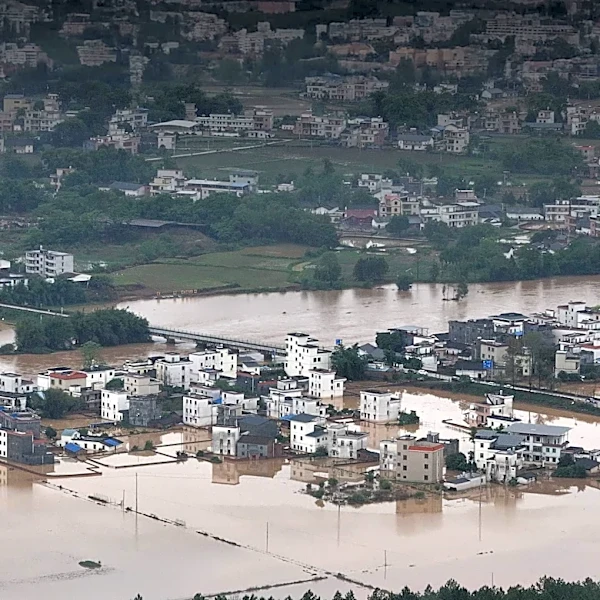
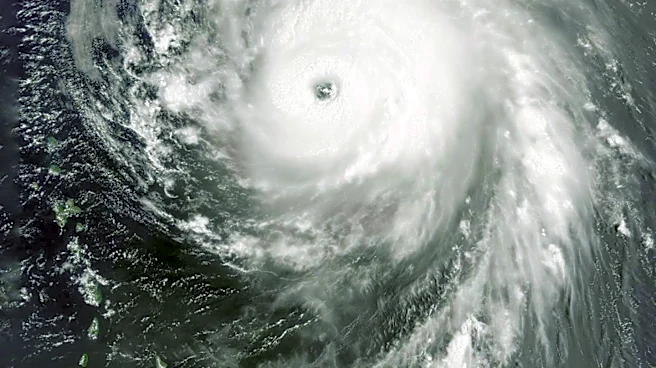
The Interior Ministry of Kenya has identified 18 counties as high-risk zones in anticipation of the El Niño rains expected in 2026. Nairobi is among the counties flagged due to concerns about urban flooding, blocked drainage systems, and strained infrastructure.
Coastal regions such as Tana River, Kilifi, Lamu, Mombasa, and Kwale are also vulnerable to heavy rains and rising sea levels, which could lead to flooding, storm surges, and coastal erosion. The ministry warns of potential disease outbreaks and food shortages as a result of the anticipated weather conditions.
Why It's Important?
The identification of high-risk areas underscores the need for preparedness and mitigation strategies to address the potential impacts of El Niño. The anticipated weather conditions could have severe consequences for infrastructure, public health, and food security in the affected regions. The government's proactive approach in flagging these areas allows for early intervention measures to be put in place, potentially reducing the adverse effects on communities. Additionally, the situation highlights the broader challenges posed by climate change and the need for sustainable solutions to enhance resilience.
What's Next?
The Kenyan government is expected to implement measures to mitigate the risks associated with the El Niño rains, including improving drainage systems and strengthening infrastructure in vulnerable areas. Public awareness campaigns and emergency response plans will likely be developed to ensure communities are prepared for potential flooding and other impacts. Coordination with regional and international bodies may also be necessary to address cross-border challenges, such as disease outbreaks and food security issues.