


What's Happening?
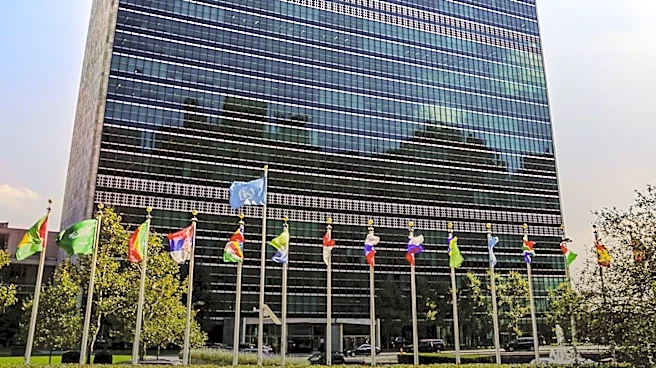
The United States government plans to remit approximately $725 million in outstanding contributions to the United Nations. This payment, detailed in an August 4 letter from the State Department to Congress, is reportedly contingent on further UN reforms.
President Trump's administration has consistently criticized the UN, alleging inefficiency and excessive bureaucracy, and claiming the organization is ineffective in resolving global conflicts. The UN is currently facing a significant financial crisis, partly due to unpaid contributions from its largest donor, the U.S. According to UN figures from May, U.S. debt exceeds $4 billion, a figure Washington disputes. UN Secretary-General António Guterres has warned of potential insolvency this year. The U.S. has withheld mandatory contributions under President Trump, pushing for drastic budget cuts. The State Department views the UN's 'UN80' savings program, which reduced the 2026 budget by 9.2 percent, as a success, marking the first significant budget cut in UN history.
Why It's Important?
This payment is significant as it addresses a portion of the substantial debt owed by the U.S. to the UN, potentially averting immediate financial instability for the international body. The U.S. is the largest contributor to the UN budget, and its withholding of funds has created considerable financial strain, impacting the UN's ability to fund peacekeeping missions, humanitarian efforts, and other critical operations. The U.S. stance, linking payments to reform, underscores a broader push for greater accountability and efficiency within international organizations. This approach could set a precedent for how major donor nations engage with multilateral institutions, potentially influencing future funding models and governance structures. The ongoing debate also highlights the differing perspectives on the UN's effectiveness and its role in global conflict resolution, with the U.S. advocating for a more streamlined and impactful organization.
What's Next?
The payment is expected to be processed before President Trump's address to the UN General Assembly, which could temporarily alleviate immediate financial pressures on the organization. However, the payment does not fully resolve the U.S.'s outstanding debt, and the conditionality attached to it suggests continued pressure for UN reforms. The UN's 'UN80' savings program, which has already led to a 9.2 percent budget reduction for 2026, indicates that the organization is already responding to calls for greater fiscal discipline. Future discussions will likely focus on the extent and nature of further reforms, particularly concerning the structure and decision-making processes of bodies like the Security Council, which many nations view as unrepresentative of current global power dynamics. The U.S. could face the risk of losing its voting rights under Article 19 of the UN Charter if its arrears exceed the contributions of the preceding two years, a diplomatic consequence that both sides will likely seek to avoid.
Beyond the Headlines
The U.S. approach to its UN contributions reflects a deeper philosophical debate about the efficacy and relevance of multilateral institutions in the 21st century. President Trump's criticisms of the UN as inefficient and bureaucratic, coupled with his administration's efforts to reduce financial commitments, challenge the traditional framework of international cooperation. This stance raises questions about the future of global governance and the role of major powers in shaping it. The emphasis on reform, while potentially leading to a more efficient UN, could also be perceived as an attempt to exert greater influence over the organization's agenda and operations. The ongoing financial pressure on the UN, exacerbated by the U.S.'s withheld payments, could force a re-evaluation of its funding mechanisms and operational priorities, potentially leading to a more agile but also potentially less independent international body. The debate also touches upon the geopolitical implications of a weakened UN, particularly in addressing complex global challenges that require collective action.