








What's Happening?
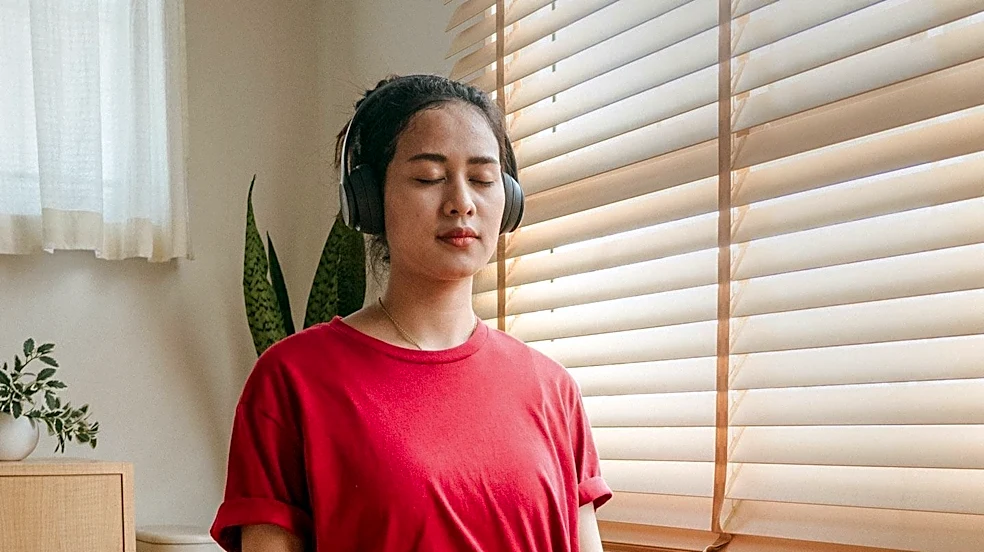
The 'Safe Place' exercise is a core component of Eye Movement Desensitization and Reprocessing (EMDR) therapy, particularly during its preparation phase. This exercise involves individuals bringing to mind a real or imagined place that evokes feelings
of calm, comfort, or peace. The goal is to focus on the sensory details of this chosen place—what one sees, hears, or feels—to strengthen the connection with that sense of tranquility. The exercise is flexible, allowing for either real-world locations like a bedroom or a park, or entirely imaginary settings such as a cabin by a lake or a quiet garden. The emphasis is on the positive feelings and states of mind the place elicits, rather than its physical existence or specific characteristics. This technique is also referred to as a 'Calm Place' or 'Peaceful Place' exercise.
Why It's Important?
The 'Safe Place' exercise is vital in EMDR therapy as it provides individuals with a crucial coping mechanism and resource for emotional regulation. By establishing a mental sanctuary, patients can access a state of calm and comfort, which is particularly important when processing distressing memories or experiences during EMDR. This resource helps to prevent overwhelming emotional responses and allows for a more controlled and effective therapeutic process. The ability to self-soothe and return to a state of peace empowers individuals, reducing reliance on external coping strategies. This exercise underscores the therapeutic value of imagination and sensory engagement in managing psychological distress, offering a practical tool that can be utilized both within and outside of therapy sessions to foster resilience and emotional stability.
What's Next?
The 'Safe Place' exercise, once learned, can be applied by individuals whenever they need a moment of calm or comfort, extending its utility beyond the therapy room. It serves as a personal resource for managing daily stressors, anxiety, or moments of emotional intensity. Therapists may continue to integrate this exercise into various stages of EMDR and other therapeutic modalities, adapting it to individual needs. Further research might explore the neurological impacts of such visualization techniques on stress reduction and emotional processing. The increasing accessibility of self-guided EMDR programs also suggests that the 'Safe Place' exercise will become more widely known and practiced as a self-help tool for mental well-being, potentially leading to innovative digital applications or guided meditation practices that incorporate its principles.
Beyond the Headlines
Beyond its direct application in EMDR, the 'Safe Place' exercise highlights the profound connection between our internal mental landscapes and our emotional states. It taps into the human capacity for imagination as a powerful tool for self-regulation and healing. This concept has broader implications for mental health education, suggesting that cultivating inner sanctuaries can be a proactive strategy for maintaining psychological balance in a demanding world. Ethically, it emphasizes patient autonomy by empowering individuals to create and utilize their own unique sources of comfort. Culturally, it resonates with practices of mindfulness and visualization found in various traditions, underscoring a universal human need for peace and security. The exercise subtly encourages a deeper engagement with one's inner world, fostering self-awareness and a personalized approach to emotional care.