






What's Happening?
Uganda's government is implementing stricter livestock movement regulations and pushing for compulsory vaccination to combat Foot-and-Mouth Disease (FMD). The Minister of State for Animal Industry, Mr. Bright Rwamirama, has warned against the illegal
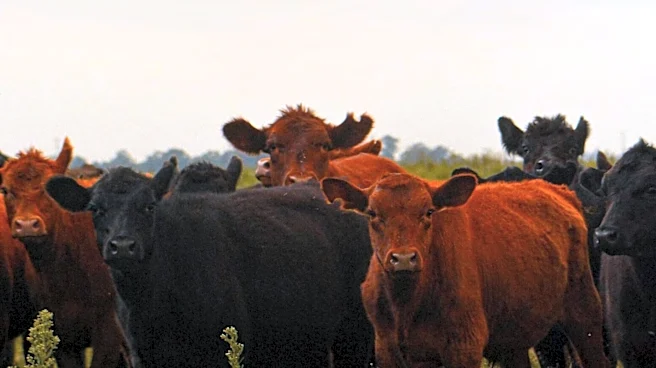
sale of government-procured FMD vaccines by veterinary extension workers, stating that those found selling vaccines or allowing them to expire in storage will face prosecution. This initiative is part of a broader policy shift, introduced in July, to eliminate FMD and enhance access to international markets. The government has supplied 44 million vaccine doses and cold-chain facilities to districts, with farmers contributing to the cost of vaccination. Authorities, including the Deputy Resident District Commissioner of Kiruhura, Mr. Moses Mwesigye, have stated that no cattle movement will be permitted without proper documentation and proof of vaccination, especially from districts experiencing outbreaks. The Kotido Chief Administrative Officer, Mr. Oyub Cheng Emannuel, also indicated increased surveillance against illegal vaccine sales.
Why It's Important?
The FMD outbreak poses a significant threat to Uganda's livestock industry and its international trade aspirations. Countries with controlled FMD restrict imports from affected regions, potentially denying Uganda access to lucrative markets and higher prices for its animal products. The dairy sector, which annually produces about 5.3 billion liters of milk and generates approximately $380 million from exports, is particularly vulnerable to disruptions. An FMD outbreak can impact farmers, processors, and an estimated 2.7 million individuals employed across the dairy value chain, potentially crippling the economy. Effective disease control and compliance with international standards are crucial for Uganda to expand its livestock and animal-product exports, ensuring food security and economic stability for a large segment of its population. The government's efforts to ensure proper vaccine administration and control livestock movement are vital to protecting the national herd and maintaining market access.
What's Next?
The government's immediate focus will be on enforcing the tightened livestock movement rules and ensuring the compulsory FMD vaccination program is effectively implemented across all districts. This includes increased surveillance to prevent the illegal sale of vaccines and holding veterinary officers accountable for vaccine mismanagement. The vaccination exercise is scheduled to occur every six months to maintain herd immunity and progressively reduce FMD outbreaks. Authorities will continue to monitor livestock movements, requiring District Veterinary Officer (DVO) letters for any animal transport, contingent on vaccination verification. The success of these measures will determine Uganda's ability to control FMD, regain and expand access to international markets, and protect the livelihoods of millions dependent on the livestock sector. Continued collaboration between the Ministry of Agriculture, Animal Industry and Fisheries (MAAIF), local government leaders, and agricultural officials will be essential.
Beyond the Headlines
Beyond the immediate economic and trade implications, the situation highlights critical issues of governance, public health, and agricultural sustainability. The alleged misuse of government-procured vaccines points to potential corruption and systemic weaknesses in the distribution and administration of vital public health resources. Such actions not only undermine disease control efforts but also erode public trust and can have long-term consequences for the health of both animals and humans, given the potential for zoonotic diseases. The push for compulsory vaccination and stricter movement controls also raises questions about the balance between public health mandates and the practical challenges faced by individual farmers, particularly in terms of compliance and potential economic burdens. The long-term success of Uganda's strategy will depend on transparent governance, effective enforcement, and sustained community engagement to ensure widespread adoption of disease prevention measures.