



What's Happening?
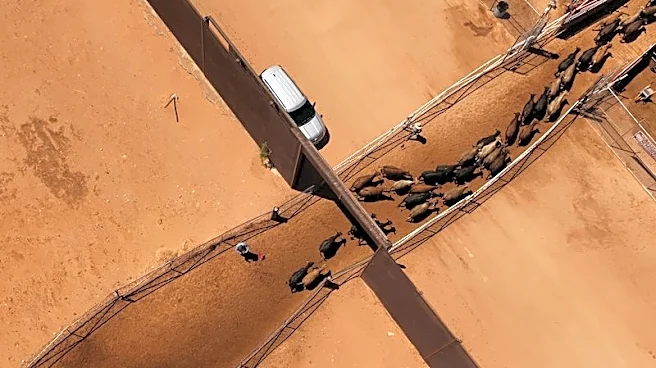
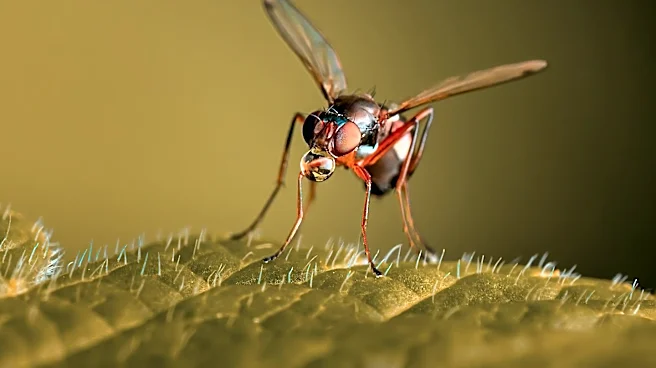
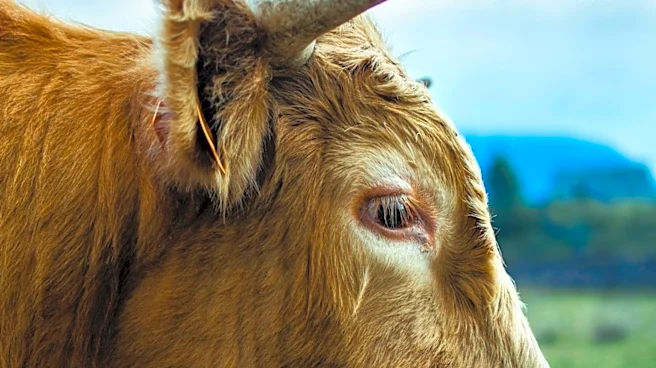
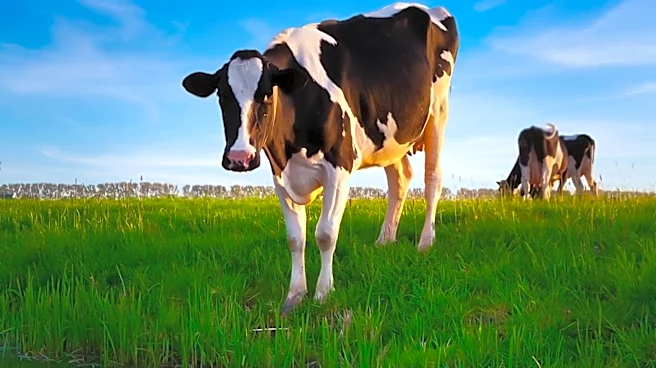
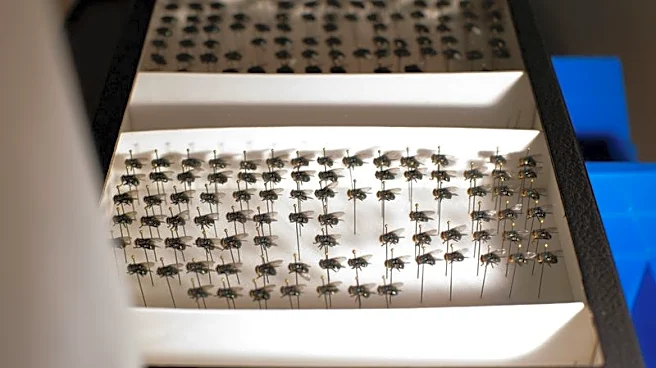
The United States has announced plans to lift a suspension on Mexican cattle imports starting August 24. This decision comes more than a year after the suspension was imposed due to the spread of the New World screwworm in Mexico. The screwworm, a parasitic
fly larva, posed significant risks to livestock, prompting the U.S. to halt imports as a precautionary measure. The lifting of the suspension indicates that the threat has been sufficiently mitigated, allowing for the resumption of cattle trade between the two countries.
Why It's Important?
The resumption of Mexican cattle imports is significant for both the U.S. and Mexican agricultural sectors. For the U.S., it means a diversification of cattle sources, which can stabilize prices and supply in the domestic market. For Mexico, it represents a restoration of a vital export market, potentially boosting the country's agricultural economy. This development also reflects improved biosecurity measures and cooperation between the two nations in managing livestock health risks. The decision could have broader implications for trade relations and economic ties between the U.S. and Mexico.
What's Next?
As the suspension is lifted, both countries are likely to monitor the situation closely to ensure that the screwworm does not re-emerge as a threat. Continued collaboration on biosecurity measures will be essential to prevent future outbreaks. Additionally, stakeholders in the cattle industry may need to adjust to the renewed flow of imports, which could affect market dynamics. The situation may also prompt discussions on further strengthening trade agreements and health protocols to safeguard against similar issues in the future.