



What's Happening?
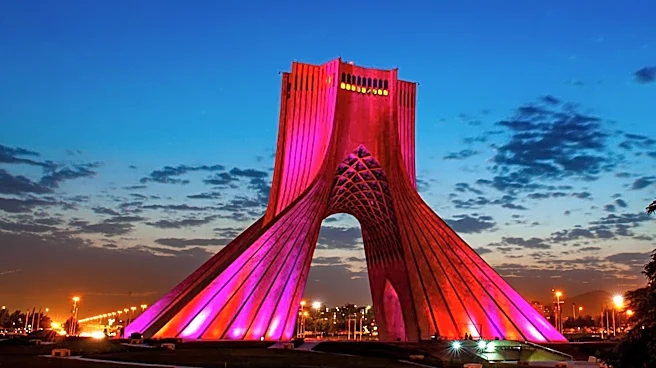
Some Republicans are increasingly expressing impatience and concern regarding President Trump's ongoing war in Iran, which has now stretched to nearly six months. This prolonged conflict is seen as a significant threat to the Republican Party's prospects
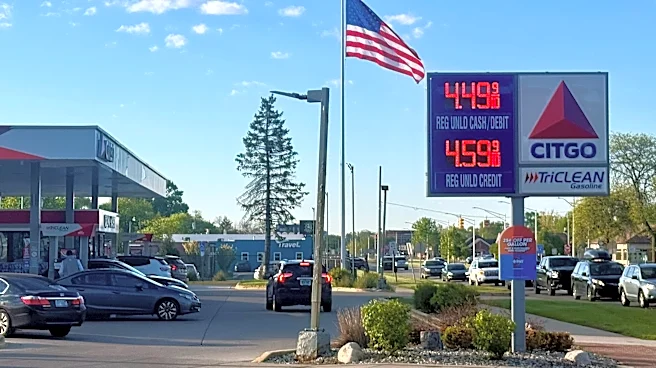
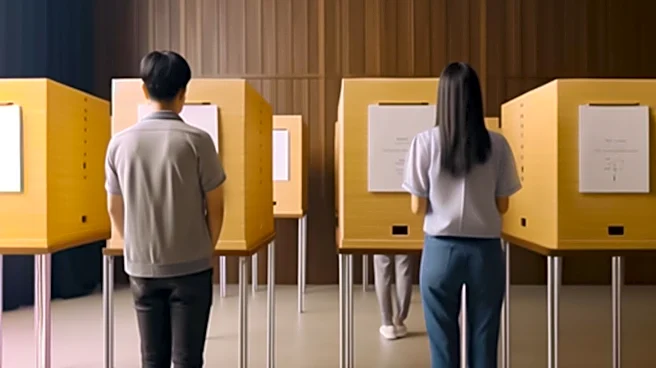
in the upcoming midterm elections. While vulnerable Republican candidates in competitive House and Senate races are largely maintaining support for President Trump, they are gambling that voters will tolerate the economic repercussions of the war, such as rising gas and grocery prices, for the sake of national security. Polls indicate that the war is unpopular among the general public, yet many Republicans are hesitant to publicly break with President Trump, who remains popular within the party. The Democratic Congressional Campaign Committee (DCCC) has criticized Republicans for 'blindly following Donald Trump’s ego,' asserting that their defense of the war will cost them the majority.
Why It's Important?
The growing Republican concern over the Iran war's impact on the midterms highlights a critical tension within the party: balancing loyalty to President Trump with the need to address voter anxieties about economic hardship. The war's unpopularity and its perceived contribution to increased gas and grocery prices are creating a challenging political landscape for GOP candidates. This situation could significantly influence the outcome of the midterms, potentially determining control of both the House and Senate. The Democratic Party is actively leveraging these concerns, portraying Republicans as out of touch with the economic struggles of everyday Americans. This dynamic underscores how foreign policy decisions, especially prolonged military engagements, can have profound domestic political consequences, shaping electoral narratives and voter behavior.
What's Next?
As the midterm elections approach, the debate surrounding the Iran war and its economic impact is expected to intensify. Republicans will likely continue to navigate the delicate balance of supporting President Trump's foreign policy while attempting to reassure constituents about economic stability. House Speaker Mike Johnson has expressed optimism about a 'new phase' that could alleviate economic pressures, suggesting potential shifts in strategy or messaging. Democrats, conversely, will likely continue to make the war and its economic consequences a central theme of their campaigns, aiming to capitalize on public dissatisfaction. The coming months will reveal whether Republican candidates can successfully mitigate the political fallout from the war or if voter frustration over economic issues will translate into significant electoral losses for the party.
Beyond the Headlines
This situation reveals a deeper struggle within the Republican Party regarding its identity and strategic direction in the post-Trump era, even with President Trump still at the forefront. The reluctance of many Republicans to openly criticize the war, despite its unpopularity and economic costs, reflects the enduring influence of President Trump within the party base. This dynamic raises questions about the future of Republican foreign policy and the extent to which the party will prioritize national security objectives over domestic economic concerns, especially when those concerns are directly linked to military actions. Furthermore, the DCCC's strong rhetoric suggests a broader ideological battle over the role of the U.S. in international conflicts and the accountability of political leaders for the economic impact of their decisions on the American populace.