




What's Happening?
SpaceX's Falcon 9 rocket family has completed over 700 flights, a significant achievement in space exploration. This milestone, announced by Elon Musk on October 31, 2026, highlights the impact of reusable rocket technology on the frequency and economics
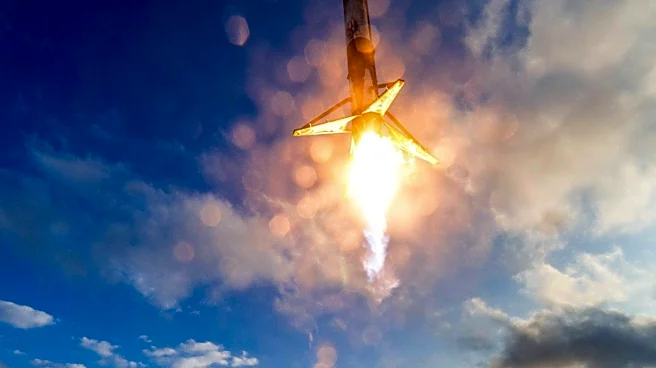
of space launches. The 700th mission was identified as Starlink 15-16 on October 27, 2026, followed by the 701st mission, Starlink 15-18, on October 31, 2026, which launched from Vandenberg Space Force Base in California. This rapid cadence of launches demonstrates SpaceX's operational system, which has transformed rocket launches from infrequent, costly events into routine operations. The Falcon 9, first launched in June 2010, was designed to return its first stage to Earth for reuse, a departure from traditional expendable rocket systems. This reusability has been central to the company's ability to conduct frequent orbital launches.
Why It's Important?
The achievement of over 700 Falcon 9 flights signifies a fundamental shift in the commercial space industry. By successfully implementing reusable rocket technology, SpaceX has challenged the traditional cost structure of space launches, which historically relied on manufacturing new components for each mission. This reusability reduces the demand for new first-stage boosters, offers greater flexibility in launch scheduling, and allows for more efficient use of existing hardware. The increased frequency and potential for lower launch costs make space more accessible for various projects, including satellite internet constellations like Starlink, Earth observation services, scientific research, and commercial communications. This model has created a powerful synergy, with Starlink providing consistent demand for Falcon 9 launches, thereby generating revenue and further driving the operational tempo. This integration of launch services and satellite operations gives SpaceX a unique business model that is difficult for traditional providers to replicate.
What's Next?
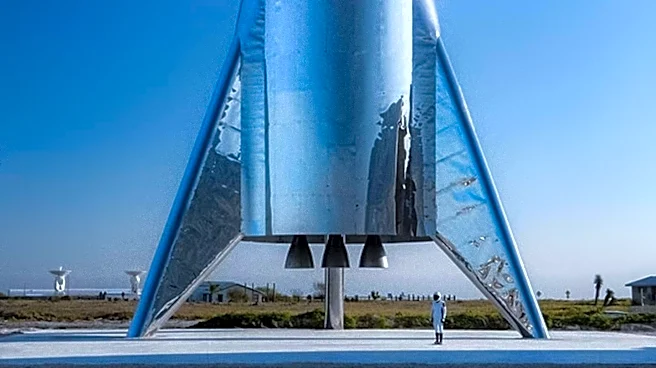
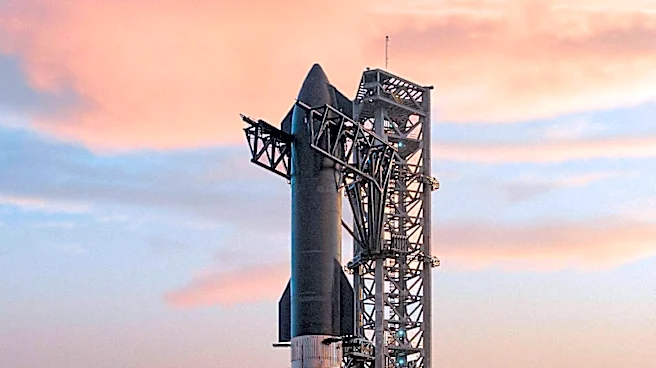
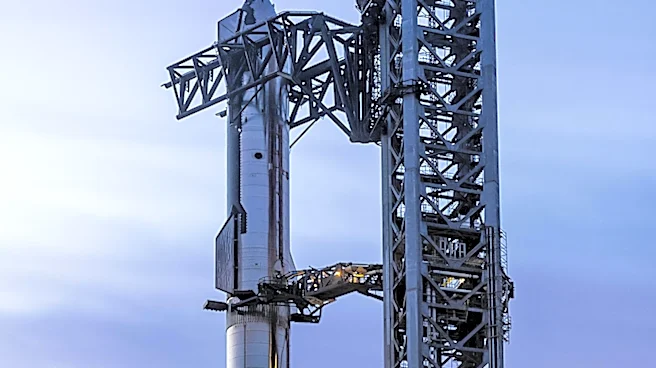
SpaceX is expected to continue leveraging its Falcon 9 fleet for its Starlink constellation deployment and other commercial and government missions, further solidifying its position in the launch market. The company's ongoing development of Starship, a fully reusable launch system, indicates a future ambition to extend reusability to both major stages, potentially creating another significant shift in space transportation economics. While Starship faces considerable technical and regulatory hurdles, Falcon 9 will remain the primary workhorse for SpaceX in the near term. The success of Falcon 9 also puts pressure on competitors like Blue Origin and Rocket Lab, which are developing their own reusable launch vehicles, to innovate and compete in an increasingly cost-conscious and high-cadence market. The industry will likely see continued efforts to reduce launch costs and increase operational efficiency across the board.
Beyond the Headlines
The success of the Falcon 9 and its 700-plus flights represents more than just a technological achievement; it signifies a paradigm shift in humanity's approach to space access. The concept of reusable orbital rockets, once considered an extremely difficult engineering challenge, has become a core strategy for SpaceX. This operational efficiency has transformed space launches from extraordinary events into increasingly routine occurrences. The long-term implications include the potential for entirely new space-based industries to emerge as access to orbit becomes more affordable and frequent. This could lead to advancements in global connectivity, climate monitoring, resource exploration, and even space tourism. The model established by Falcon 9 also highlights the importance of an integrated business strategy, where internal demand (like Starlink) can drive the development and utilization of launch capabilities, creating a self-sustaining ecosystem for space commerce and exploration.