







What's Happening?
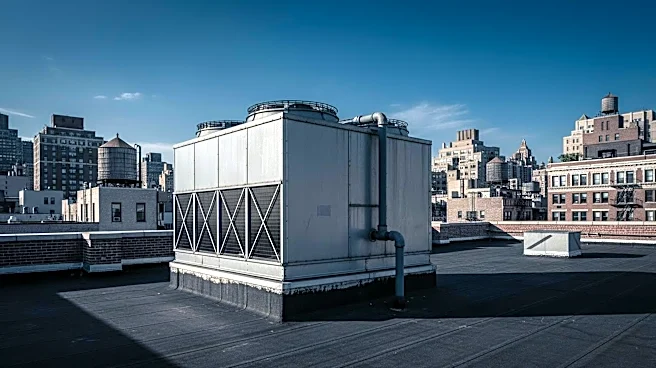
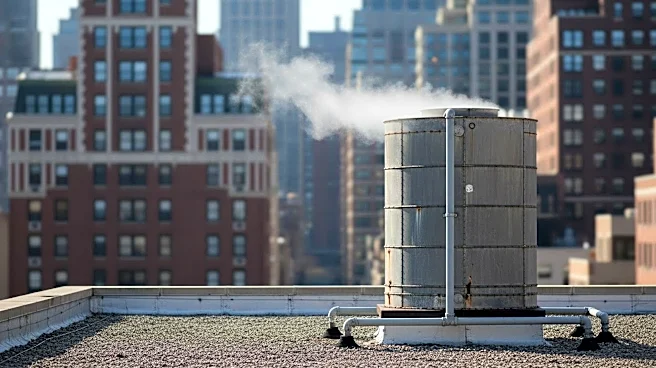
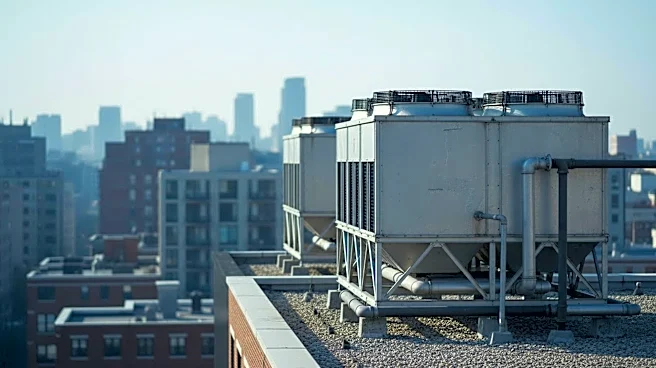
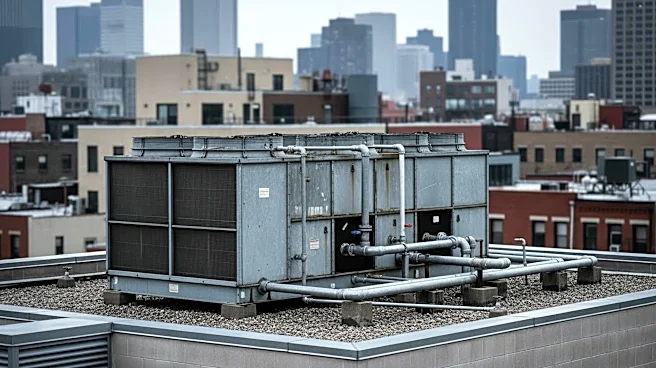
The New York City Health Department has identified the presence of Legionella bacteria in 31 cooling towers located on the Upper East Side. This discovery was reported by CBS News New York, highlighting a potential public health concern. Legionella bacteria are
known to cause Legionnaires' disease, a severe form of pneumonia. The detection of these bacteria in cooling towers is significant as these structures are part of the water systems that can spread the bacteria through mist. The Health Department's findings are part of routine inspections aimed at preventing outbreaks of Legionnaires' disease, which can be particularly dangerous for older adults, smokers, and people with weakened immune systems.
Why It's Important?
The identification of Legionella bacteria in multiple cooling towers is crucial for public health safety. Legionnaires' disease can lead to severe health complications and even fatalities if not promptly addressed. The detection underscores the importance of regular monitoring and maintenance of water systems in urban areas to prevent the spread of this disease. The Health Department's proactive measures are vital in mitigating potential outbreaks, ensuring the safety of residents and visitors in densely populated areas like the Upper East Side. This situation also highlights the need for building owners and managers to comply with health regulations and maintain their water systems to prevent such occurrences.
What's Next?
Following the detection of Legionella bacteria, the New York City Health Department is likely to enforce cleaning and disinfection protocols for the affected cooling towers. Building owners may be required to take immediate action to eliminate the bacteria and prevent any potential health risks. The Health Department may also increase inspections and monitoring of other cooling towers across the city to ensure compliance with health standards. Public health advisories may be issued to inform residents about the situation and any necessary precautions they should take. Continued vigilance and cooperation from building management will be essential in preventing future outbreaks.