





What's Happening?
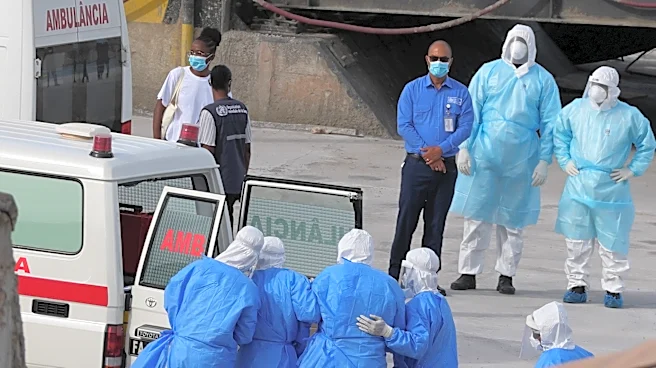
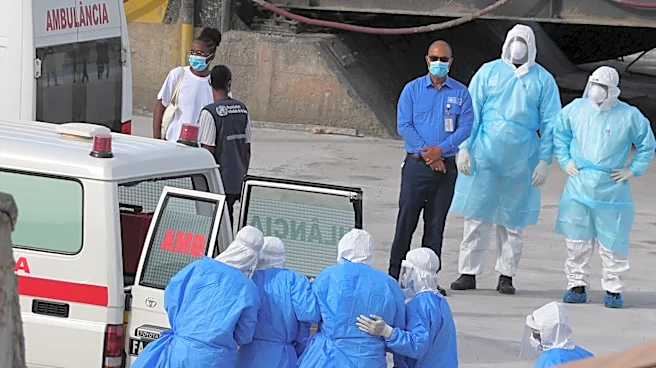
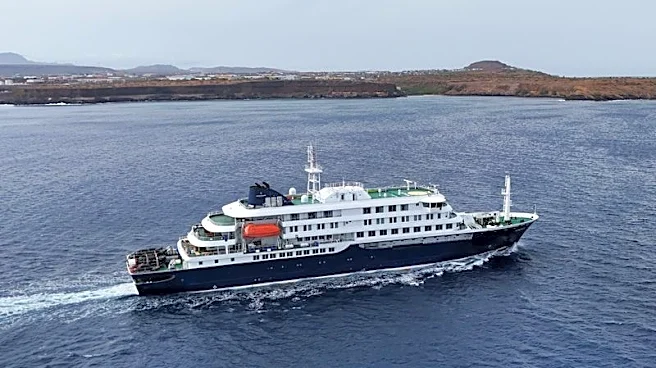
Spanish authorities are preparing to receive over 140 passengers and crew from a cruise ship affected by a hantavirus outbreak as it heads towards the Canary Islands. The MV Hondius, a Dutch-flagged vessel, is expected to arrive at Tenerife, where health
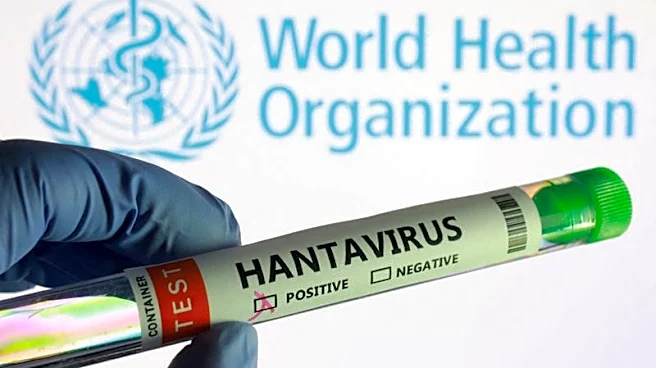
officials will conduct careful evacuations. The United States and the United Kingdom have arranged for the repatriation of their citizens on board. At least three passengers have died, and several others are ill. The World Health Organization has assessed the risk to the public as low, noting that hantavirus is typically spread through rodent droppings and is not easily transmitted between people. However, the Andes virus involved in this outbreak may spread between people in rare cases. Health authorities are tracking passengers who disembarked before the outbreak was detected.
Why It's Important?
The situation highlights the challenges of managing infectious disease outbreaks on cruise ships, which can quickly become international concerns due to the diverse nationalities of passengers. The response involves coordination between multiple countries to ensure the safe evacuation and repatriation of affected individuals. The incident also underscores the importance of rapid response and contact tracing to prevent further spread of the virus. The low risk assessment by the WHO is crucial in preventing public panic, especially in light of recent global health crises. The economic impact on the cruise industry and tourism in the Canary Islands could be significant, depending on public perception and the effectiveness of containment measures.
What's Next?
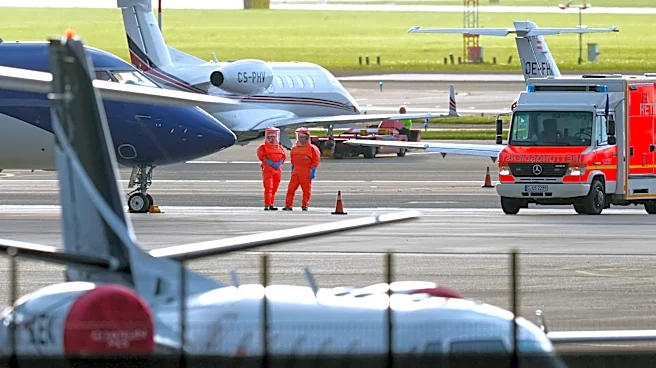
Authorities will continue to monitor the health of passengers and crew, ensuring that those infected receive appropriate medical care. The repatriation process will involve strict isolation measures to prevent further transmission. Health officials in countries with citizens on board will likely conduct follow-up screenings and monitoring. The incident may prompt a review of health protocols on cruise ships, potentially leading to stricter regulations and improved emergency response strategies. The outcome of this situation could influence future travel advisories and public confidence in cruise travel.