










What's Happening?
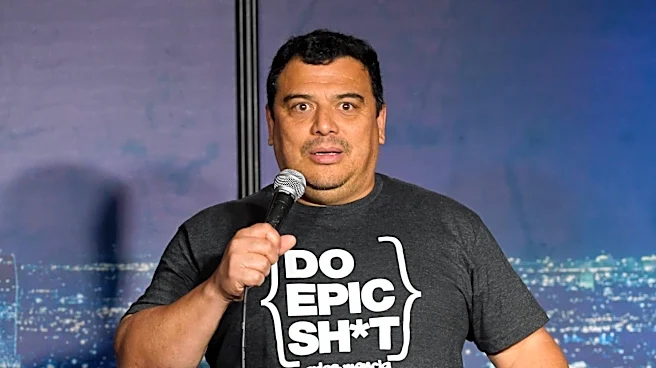
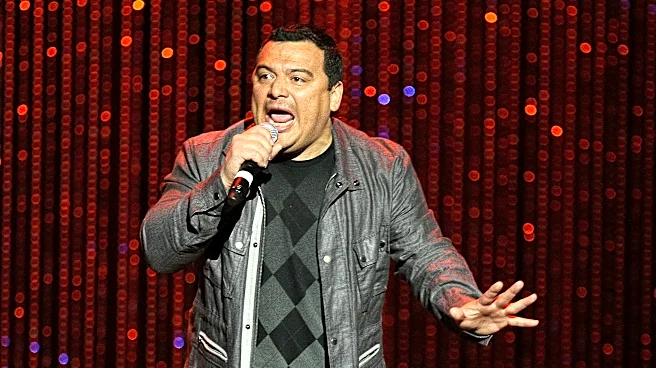
Comedian Carlos Mencia has been arrested and charged with 12 felony counts for failing to report or pay taxes on over $8 million in earnings. The charges were announced by Los Angeles County District Attorney Nathan Hochman, who described Mencia as one
of California's significant tax evaders. The charges include six counts of failing to file personal income tax and six counts related to corporate taxes, covering the years 2019 to 2024. Mencia allegedly owes more than $300,000 in state taxes. He was arrested at his Los Angeles home and is being held on $250,000 bail, with a court appearance scheduled for Monday. If convicted, Mencia could face over 11 years in prison and be required to pay the owed taxes and interest.
Why It's Important?
This case highlights the serious legal consequences of tax evasion, particularly for high-profile individuals. The charges against Mencia underscore the efforts of the Los Angeles County District Attorney's office to crack down on tax fraud, as evidenced by the establishment of a new Business Tax Fraud Unit. The case also serves as a reminder of the importance of compliance with tax laws, which is crucial for maintaining public trust and ensuring the equitable distribution of tax burdens. The outcome of this case could have implications for other entertainers and public figures, emphasizing the need for transparency and accountability in financial dealings.
What's Next?
Mencia is expected to make his first court appearance on Monday, where he will likely enter a plea. The case will proceed through the legal system, with potential outcomes including a trial or a plea agreement. The district attorney's office may continue to investigate Mencia's financial activities, and the IRS could potentially become involved if federal tax issues are identified. The entertainment industry and public will be watching closely, as the case could set a precedent for how similar cases are handled in the future.
Beyond the Headlines
Beyond the immediate legal implications, this case raises questions about the ethical responsibilities of public figures in managing their finances. Mencia's situation also reflects broader societal issues related to tax compliance and the perception of fairness in the tax system. The case may prompt discussions about the role of celebrity influence in shaping public attitudes toward tax obligations and the potential impact of such cases on the reputation and career of those involved.