






What's Happening?
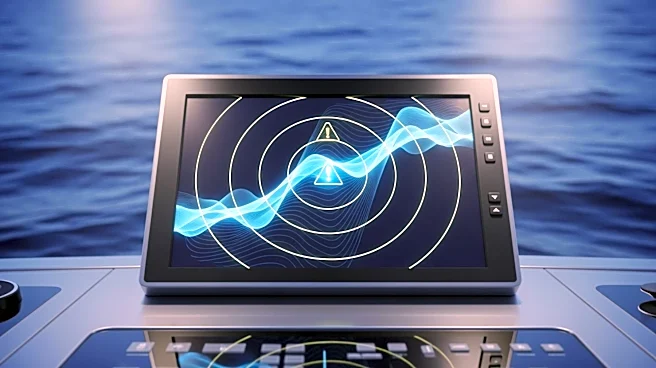
A comprehensive study conducted by Orca AI in collaboration with NorthStandard, a leading marine insurer, has quantified the impact of artificial intelligence on navigational safety. The study analyzed data from 139 vessels operating globally, revealing
a 52% reduction in high-severity close encounters over a 12-month period following the deployment of Orca AI's platform. The initial six months saw a 22% reduction, indicating significant improvements in safety metrics such as Closest Point of Approach (CPA) and Time to Closest Point of Approach (TCPA). The study covered over 10.8 million nautical miles, comparing the initial adaptation period with the stabilized usage phase. The findings showed consistent safety improvements across vessels of varying ages, highlighting AI's ability to enhance situational awareness regardless of existing bridge systems.
Why It's Important?
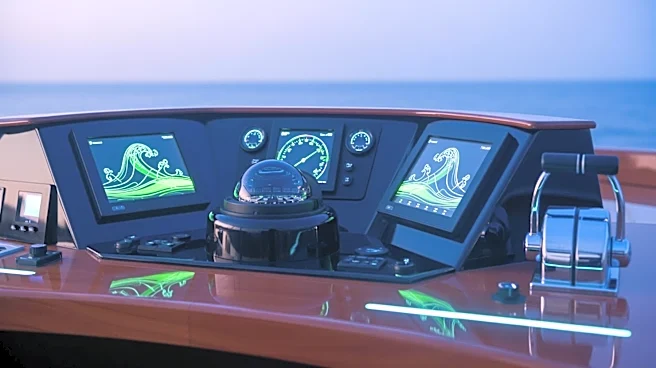
The study underscores the transformative potential of AI in maritime navigation, particularly in enhancing safety protocols. By reducing high-severity close encounters, AI technology can significantly lower the risk of maritime accidents, which are costly and potentially catastrophic. The increased adherence to safety management system (SMS) protocols in open waters and congested shipping corridors, such as the North and Baltic Seas, demonstrates AI's role in proactive risk management. This advancement is crucial for the maritime industry, where safety is paramount, and the margin for error is minimal. The integration of AI into bridge operations supports more consistent decision-making, which is vital in high-risk environments with dense traffic and limited decision time.
What's Next?
The findings suggest a growing reliance on AI-assisted situational awareness in maritime operations, indicating that AI could become a standard component of navigational systems. As crews increasingly use AI platforms in complex environments, further studies and developments in AI technology are likely to enhance its effectiveness and integration. Stakeholders in the maritime industry, including ship operators and insurers, may invest more in AI solutions to improve safety and operational efficiency. Regulatory bodies might also consider updating safety standards to incorporate AI technologies, ensuring that maritime operations continue to evolve with technological advancements.
Beyond the Headlines
The study highlights a shift towards more proactive behavior in maritime navigation, driven by AI's decision support capabilities. This shift not only improves safety but also reflects a broader trend of digital transformation in the maritime industry. As AI becomes embedded in bridge operations, it could lead to long-term changes in how maritime safety is managed, potentially influencing training programs and operational protocols. The ethical implications of relying on AI for critical decision-making in navigation also warrant consideration, as the technology must be trusted to perform reliably in diverse conditions.