




What's Happening?
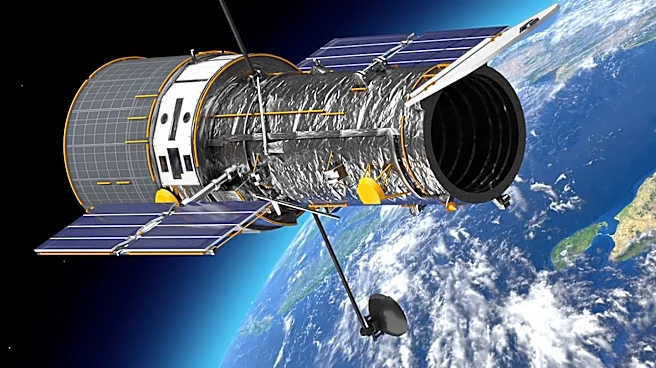
NASA has issued a Request for Information (RFI) on October 29, seeking industry ideas for in-space servicing capabilities to extend the operational life of the Hubble Space Telescope. The telescope, launched in April 1990 in partnership with the European
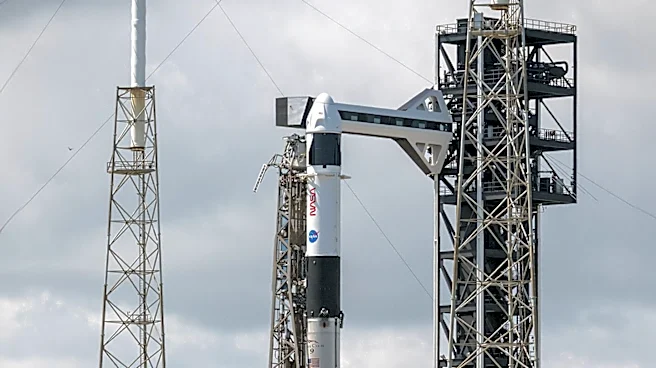
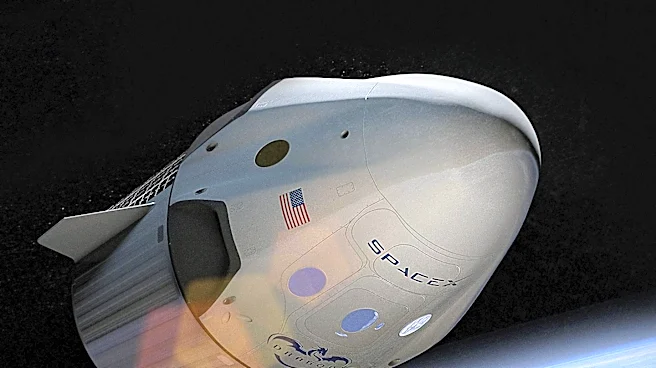
Space Agency, is currently operating effectively but is projected to re-enter Earth's atmosphere around 2033 or 2034 due to orbital drag. The RFI explores options such as boosting Hubble's orbit or enhancing its capabilities. This initiative marks a shift from NASA's previous stance in 2022, when it declined a proposal from billionaire tech entrepreneur Jared Isaacman to use SpaceX hardware for a servicing mission, citing potential risks. However, with Isaacman now serving as NASA administrator, the agency is actively exploring all reasonable opportunities to keep Hubble operational, especially if it proves to be a cost-effective alternative to launching a new mission. Any servicing attempt would need to occur by 2032.
Why It's Important?
The Hubble Space Telescope holds immense scientific and public value, having contributed to over 23,000 scientific papers and making groundbreaking discoveries, including the accelerating expansion of the universe. Its iconic images have also captivated the public for decades. Extending Hubble's mission would allow for continued high-demand astronomical observations, as astronomers currently request seven times more observing time than available annually. This effort underscores the U.S.'s commitment to maximizing the return on investment in space infrastructure and scientific research. A successful servicing mission could also demonstrate advanced in-space servicing capabilities, potentially paving the way for future maintenance and upgrades of other valuable orbital assets. Conversely, failure to extend its life would mean the loss of a unique and highly productive scientific instrument, leaving a gap in observational capabilities until a successor is fully operational.
What's Next?
NASA will evaluate the proposals received from the industry in response to its RFI. The agency is considering various scenarios, including orbital boosts, capability enhancements, or even a safe, controlled re-entry or orbital disposal at the end of Hubble's mission. The timeline for any servicing mission is critical, as it would need to be executed by 2032 to counteract the natural orbital decay leading to re-entry in 2033 or 2034. The involvement of NASA Administrator Jared Isaacman, who previously proposed a private servicing mission, suggests a strong internal drive to find a viable solution. The outcome of this RFI could influence future policies regarding the maintenance and longevity of other aging but still valuable space assets, potentially fostering a new era of in-space servicing partnerships between government agencies and private industry.
Beyond the Headlines
The renewed effort to save Hubble highlights a broader shift in space policy, emphasizing the value of extending the life of existing assets rather than solely focusing on new launches. This approach could lead to significant cost savings and a more sustainable model for space exploration. The collaboration between NASA and private industry, as exemplified by Isaacman's previous proposal and his current role, signifies a growing trend of public-private partnerships in space. This could accelerate technological advancements in areas like in-space refueling, repair, and orbital debris mitigation. Furthermore, the public's enduring appreciation for Hubble's contributions to science and its iconic imagery underscores the importance of public engagement and the inspirational power of space exploration, which could influence future funding and support for similar endeavors.