



What's Happening?
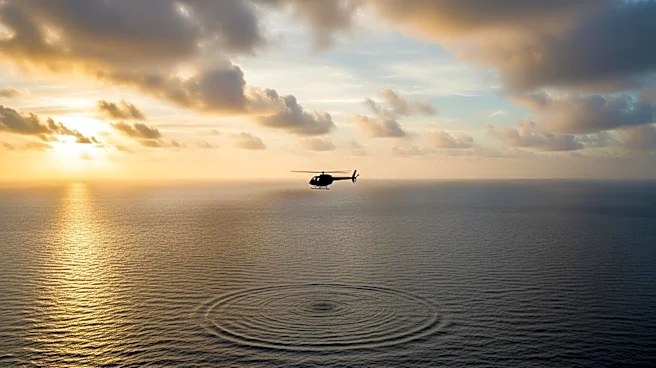
A U.S. Army Apache attack helicopter crashed near the Strait of Hormuz, a strategic waterway currently under tension due to ongoing conflicts involving Iran. President Trump confirmed that the two crew members aboard the helicopter were unharmed. The
crash's cause remains unclear, and the incident comes amid heightened military activities in the region following recent exchanges of fire between Iran and Israel. The U.S. military's Central Command and the Defense Department have not yet commented on the crash. Apache helicopters are crucial for enforcing a blockade on Iranian oil shipments, a strategy aimed at pressuring Iran into negotiations. President Trump expressed optimism about reaching a deal with Iran soon, despite ongoing hard-line positions from both sides.
Why It's Important?
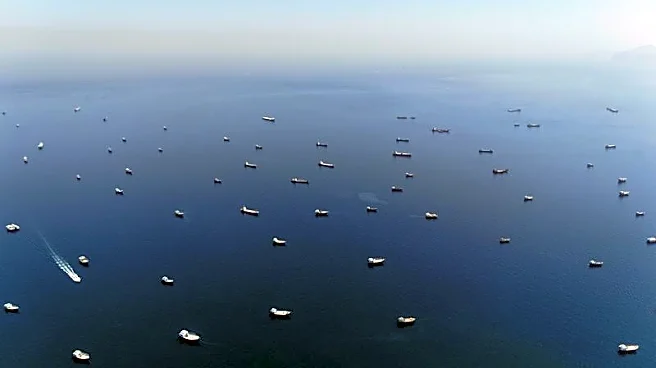
The crash highlights the volatile situation in the Strait of Hormuz, a critical chokepoint for global oil shipments. Any disruption in this area can significantly impact global energy prices and economic stability. The incident underscores the ongoing military tensions between the U.S. and Iran, which have broader implications for international relations and regional security. The potential for a diplomatic resolution remains uncertain, with both nations maintaining firm stances on key issues. The situation affects not only geopolitical dynamics but also economic stakeholders worldwide, as energy markets react to developments in the region.
What's Next?
The U.S. is expected to release a report on the crash, which may provide further insights into the incident. Meanwhile, diplomatic efforts continue, with mediators attempting to broker a deal between the U.S. and Iran. The outcome of these negotiations could influence future military and economic strategies in the region. Stakeholders, including international governments and energy companies, will closely monitor the situation for any shifts in policy or military engagement that could affect global markets.