






What's Happening?
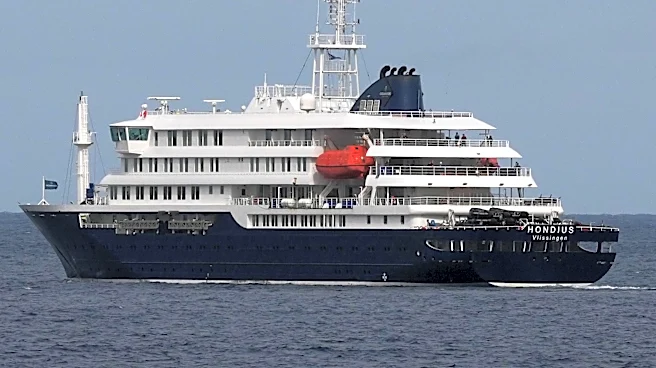
A hantavirus outbreak has been confirmed on the MV Hondius, a Dutch cruise ship, causing concern among passengers and the public. The World Health Organization (WHO) has stated that the outbreak is localized and does not pose a widespread pandemic threat.
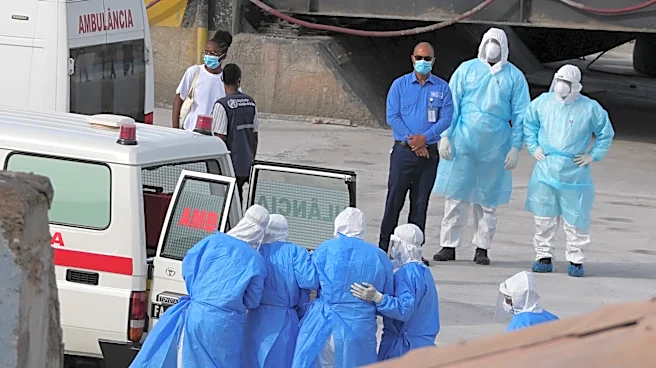
The virus, known as Andes hantavirus, has a high fatality rate but is not easily transmissible between humans. The outbreak has resulted in three deaths, and the ship is currently en route to the Canary Islands. Health experts emphasize that hantavirus spreads differently from COVID-19, primarily through contact with infected rodents, and poses a much lower risk of becoming a pandemic.
Why It's Important?
The hantavirus outbreak highlights the challenges of managing infectious diseases in confined environments like cruise ships, which can facilitate the spread of viruses. The situation underscores the importance of effective public health responses and international cooperation in containing outbreaks. The WHO's involvement and the coordination of contact tracing efforts are crucial in preventing further spread. The outbreak also serves as a reminder of the need for vigilance in monitoring zoonotic diseases, which can have significant public health implications if not properly managed.
What's Next?
The MV Hondius is expected to dock at the Canary Islands, where passengers will be monitored for symptoms. The WHO is coordinating with various governments to ensure effective contact tracing and medical evacuations. Health departments in several U.S. states are monitoring individuals who were on the cruise ship. The long incubation period of the virus poses challenges for containment strategies, but health officials remain focused on preventing further transmission. Continued monitoring and public health measures will be essential in managing the situation.