



What's Happening?
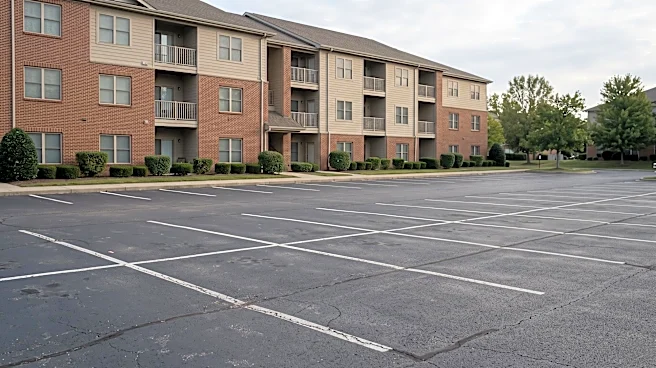
A death investigation is underway in southwest Houston after a witness reported seeing a body being dumped at an apartment complex. The Houston Police Department (HPD) received the call on Saturday afternoon regarding the 5700 block of Rampart Street.
While HPD has not confirmed if the individual was deceased when dropped off, they have confirmed a man is dead and an investigation has been launched. A reporter at the scene observed what appeared to be a body covered with a sheet. The woman who called 911, Veronica Alvear, stated that she saw the victim thrown to the floor and noted bruising on his neck, suggesting he may have been choked. Surveillance video obtained by ABC13 shows a Toyota pulling into the parking lot where the body was found, remaining for about a minute and a half, with a man exiting the vehicle at least once, before the car left the scene in under two minutes. The victim has been identified by family as Santos Macario Chay Tamayac, who reportedly went to work in the morning and was found at the complex in the afternoon. HPD Homicide Investigators are working to determine the cause of death, and police indicated that emergency personnel attempted life-saving measures at the scene but were unsuccessful. The exact time and location of Chay Tamayac's death are currently unknown.
Why It's Important?
This incident highlights significant concerns regarding public safety and the prevalence of violent crime in urban areas. The brazen act of dumping a body in a public apartment complex parking lot underscores a disturbing disregard for human life and public order. For residents of the affected community, such an event can foster fear and insecurity, potentially impacting their sense of safety and daily routines. The ongoing investigation by HPD is crucial not only for bringing those responsible to justice but also for reassuring the community that law enforcement is actively addressing serious criminal activity. The family of the victim, Santos Macario Chay Tamayac, is left grappling with the sudden and violent loss of a loved one, emphasizing the profound personal toll of such crimes. Furthermore, the use of surveillance footage in the investigation points to the increasing reliance on technology in modern policing and its role in solving complex cases. The incident also raises questions about the broader social factors contributing to such violence and the effectiveness of current crime prevention strategies in densely populated urban environments.
What's Next?
The Houston Police Department's Homicide Investigators will continue their efforts to determine the exact cause of death for Santos Macario Chay Tamayac and to identify and apprehend those responsible for his death and the dumping of his body. This will likely involve a thorough examination of the crime scene, forensic analysis, and interviews with witnesses, including Veronica Alvear and potentially other residents of the apartment complex. Investigators will also be reviewing additional surveillance footage from the area to track the movements of the Toyota seen in the parking lot and identify any other vehicles or individuals involved. The family of the victim will be awaiting answers and justice, and community leaders may call for increased police presence or crime prevention initiatives in the southwest Houston area. Depending on the findings, charges could range from murder to tampering with evidence. The case will proceed through the legal system, with potential arrests, indictments, and a trial once suspects are identified and apprehended. Public awareness and cooperation will be vital for the ongoing investigation.
Beyond the Headlines
This incident transcends a typical criminal investigation, touching upon deeper societal issues such as the vulnerability of individuals, particularly those who may be marginalized or working-class, to violent crime. The fact that the victim, Santos Macario Chay Tamayac, was reportedly on his way to or from work when this tragedy occurred highlights the everyday risks faced by many in urban settings. The act of dumping a body in a public space can also be seen as an attempt to conceal the crime and evade justice, reflecting a calculated and callous disregard for legal and ethical norms. This event could prompt broader discussions within the community and among policymakers about the need for enhanced security measures in residential areas, improved community-police relations to encourage reporting of suspicious activities, and resources for victims' families. It also underscores the psychological impact of such events on witnesses and the wider community, potentially leading to increased anxiety and a diminished sense of security. The case serves as a stark reminder of the ongoing challenges in maintaining public safety and addressing violent crime in major U.S. cities.