


What's Happening?
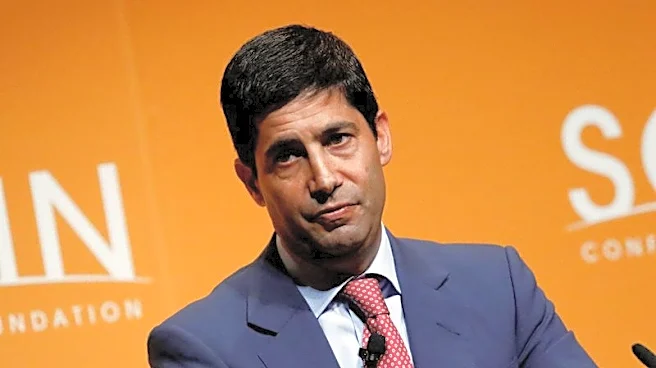
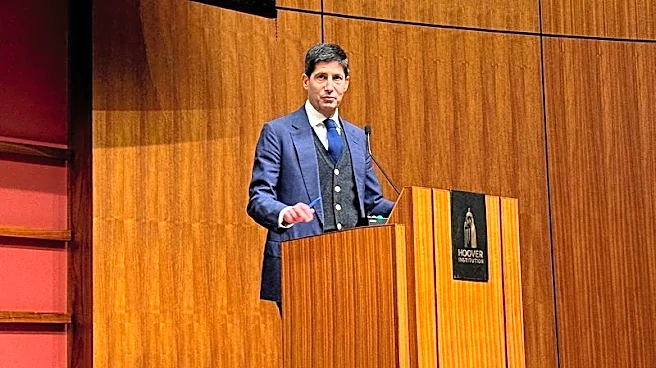
Kevin Warsh, nominated by President Trump to be the next chair of the Federal Reserve, is set to appear before the Senate for his confirmation hearing. Warsh, a former U.S. Federal Reserve Governor, is expected to face scrutiny over his connections to Silicon
Valley. His ties to prominent tech figures such as Palantir CEO Alex Karp, PayPal co-founder Peter Thiel, and venture capitalist Marc Andreessen have raised questions about the potential influence of tech moguls on the Federal Reserve under his leadership. Warsh's background includes managing venture-capital investments in the technology sector, which positions him as one of the wealthiest potential Fed chairs. His free-market and anti-regulatory views, along with his belief in the transformative power of artificial intelligence on the economy, are likely to be focal points during the hearing.
Why It's Important?
The confirmation of Kevin Warsh as the Federal Reserve chair could significantly impact U.S. monetary policy, especially given his connections to the tech industry. His leadership might lead to increased influence of tech leaders on economic decisions, potentially prioritizing technological advancements in policy considerations. This could affect regulatory approaches and the balance between innovation and oversight. Warsh's views on artificial intelligence and its economic implications could shape future monetary strategies, influencing sectors reliant on tech innovation. Stakeholders in the tech industry might gain more access to the Federal Reserve, potentially altering the dynamics of economic policy-making.
What's Next?
If confirmed, Warsh's tenure could see a shift in the Federal Reserve's focus towards integrating technological advancements into economic policy. This might involve new regulatory frameworks or initiatives to support tech-driven economic growth. The Senate's decision will be closely watched by both the financial and tech sectors, as it could signal a new era of collaboration or tension between these industries and the Federal Reserve. The outcome of the confirmation hearing will also provide insights into the Senate's stance on the influence of tech leaders in government roles.