






What's Happening?
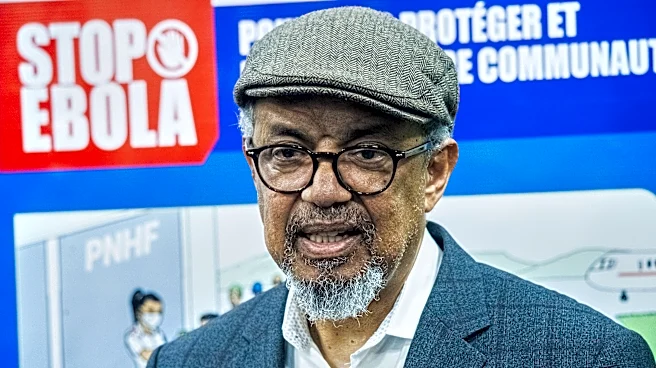
The World Health Organization (WHO) has announced that five individuals have recovered from a rare strain of the Ebola virus in the Democratic Republic of Congo. This development highlights the potential for recovery even in the absence of an approved
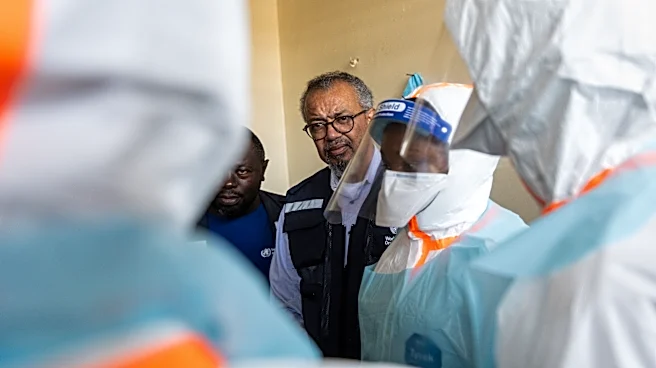
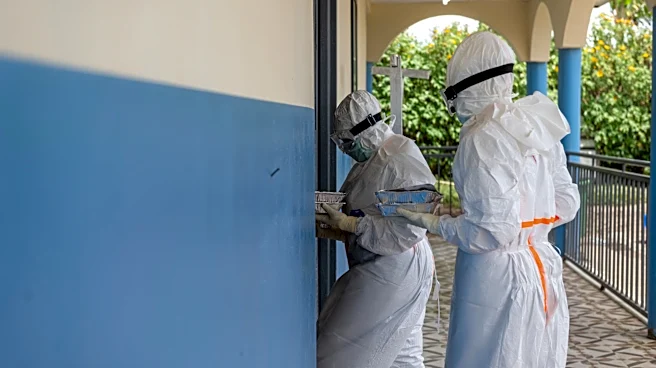
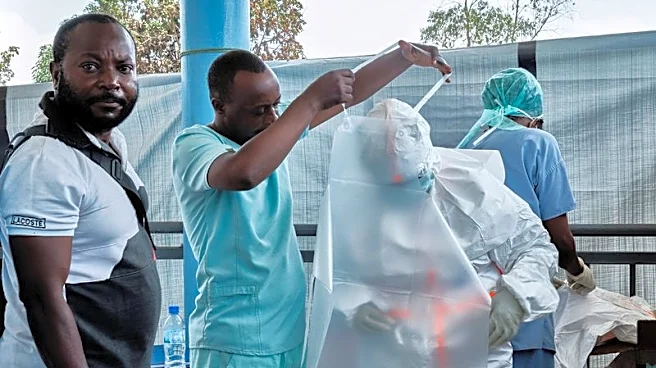
treatment or vaccine for the Bundibugyo virus, which is responsible for the current outbreak. WHO Director-General Tedros Adhanom Ghebreyesus emphasized the importance of seeking medical care early, as demonstrated by these recoveries. The announcement coincided with the opening of a new Ebola treatment center in Bunia, the capital of Ituri province, which is at the heart of the outbreak. Despite these positive outcomes, the virus continues to spread rapidly, with 906 suspected cases and 223 deaths reported in Congo. The outbreak has also affected neighboring Uganda, which has confirmed nine cases and one death.
Why It's Important?
The recovery of these patients is a significant milestone in the fight against the Ebola outbreak in Congo, offering hope to affected communities and health workers. It underscores the critical role of early medical intervention and the need for robust healthcare infrastructure. The ongoing spread of the virus, however, poses a severe public health challenge, exacerbated by local resistance to medical protocols and attacks on health centers. The situation is further complicated by regional instability, with rebel groups hindering response efforts. The WHO's efforts to involve local communities in the response are crucial for controlling the outbreak and preventing further spread. The international community's support in terms of resources and expertise remains vital to managing the crisis effectively.
What's Next?
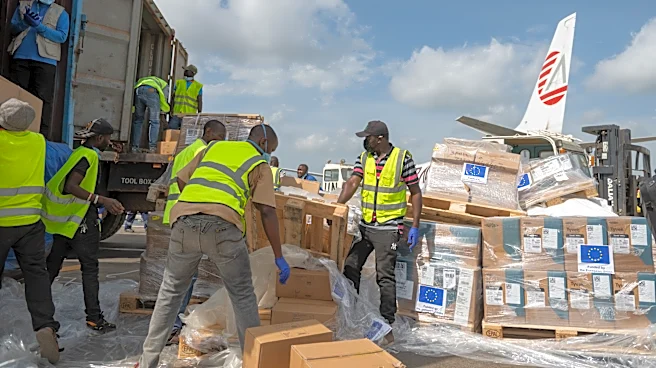
The WHO and other health organizations are likely to continue expanding testing and treatment facilities to manage the outbreak. Efforts to engage local communities and address cultural concerns around medical protocols will be essential in gaining public trust and cooperation. The international community may increase aid and support to bolster the response, while security measures might be enhanced to protect health workers and facilities. Monitoring the situation in neighboring countries will also be critical to prevent cross-border transmission. The development of vaccines and treatments for the Bundibugyo virus will remain a priority for global health agencies.
Beyond the Headlines
The outbreak in Congo highlights the complex interplay between health crises and regional conflicts. The presence of armed groups and political instability complicates the public health response, illustrating the need for integrated approaches that address both health and security challenges. The situation also raises ethical questions about balancing public health measures with respect for local customs and traditions. Long-term, the outbreak may prompt a reevaluation of global health strategies, emphasizing the importance of preparedness and rapid response capabilities in regions prone to infectious disease outbreaks.