



What's Happening?
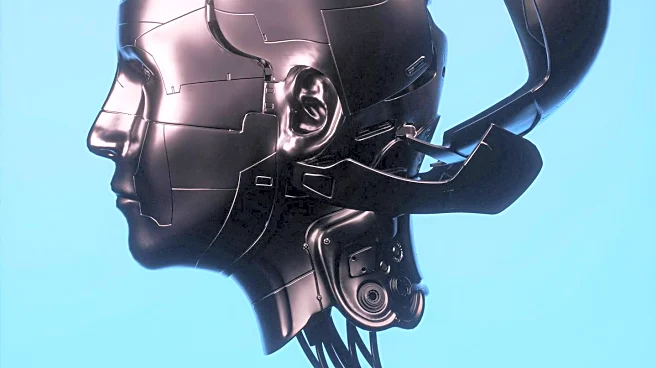
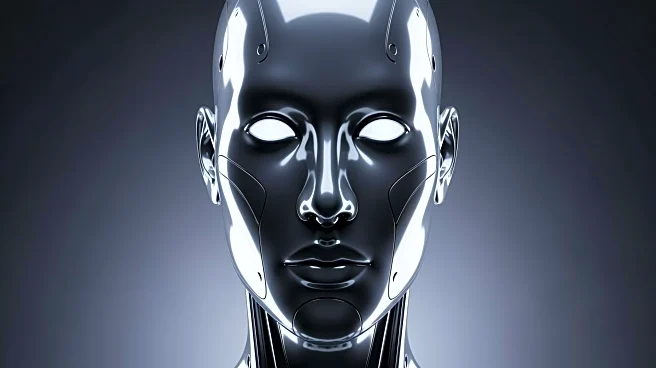
The concept of the 'uncanny valley,' first proposed by Japanese roboticist Masahiro Mori, describes the discomfort humans feel when encountering robots that closely resemble humans but are not quite perfect. This phenomenon is explored through cultural
examples like 'The Stepford Wives' and the TV series 'Humans,' where humanoid robots evoke unease due to their near-human appearance and behavior. The article discusses how this concept is relevant to the design and deployment of humanoid robots in various industries, highlighting the psychological and cultural implications of human-robot interactions.
Why It's Important?
As humanoid robots become more prevalent in industries such as healthcare, manufacturing, and domestic services, understanding the uncanny valley is crucial for developers. The psychological discomfort associated with near-human robots can impact user acceptance and integration into daily life. By addressing these concerns, engineers and designers can create robots that are more socially acceptable and effective in their roles, potentially transforming industries and improving human-robot collaboration.