


What's Happening?
President Trump recently proposed that Denmark hand over Greenland to the United States, causing significant diplomatic tensions with European allies. This proposal was made during the World Economic Forum in Switzerland, leading to a meeting in Copenhagen
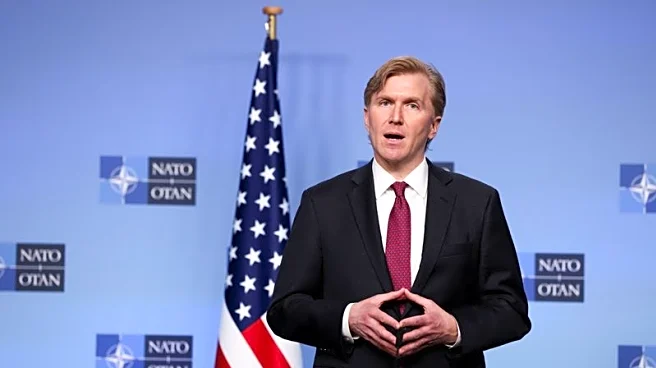
where U.S. and Danish foreign policy experts discussed the transatlantic alliance. Despite attempts by American representatives to ease tensions, the proposal has led to a shift in European perspectives, with some officials suggesting a NATO-like alliance without U.S. involvement. The situation has resulted in a permanent skepticism towards the U.S. as a reliable partner, with European officials expressing frustration and a sense of betrayal.
Why It's Important?
The proposal and subsequent diplomatic fallout highlight a growing rift between the U.S. and its European allies, potentially altering long-standing alliances. This shift could impact international relations, trade agreements, and military collaborations, as European countries reconsider their reliance on the U.S. The situation underscores the unpredictability of U.S. foreign policy under President Trump, which may lead to increased anti-American sentiment and a reevaluation of strategic partnerships. The potential for economic repercussions is significant, as European countries may seek to reduce their economic ties with the U.S. in response to perceived threats.
What's Next?
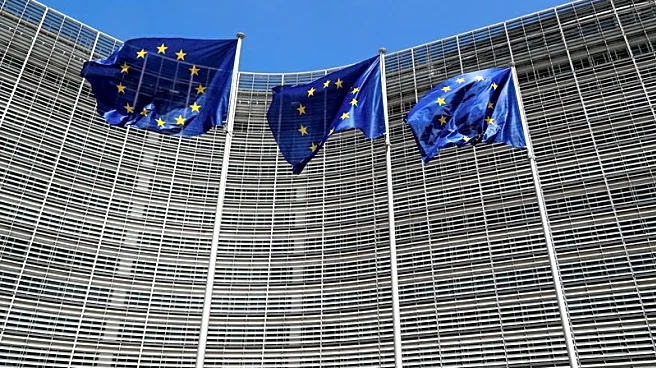
European countries may continue to explore alternatives to U.S. partnerships, potentially strengthening intra-European alliances or seeking new global partners. The European Union's suspension of the U.S.-E.U. trade deal and discussions of deploying the Anti-Coercion Instrument could lead to economic consequences for American businesses. The situation may also influence upcoming elections and political strategies within European countries, as leaders navigate the changing geopolitical landscape. Continued diplomatic efforts will be crucial in managing the fallout and preventing further deterioration of U.S.-European relations.