






What's Happening?
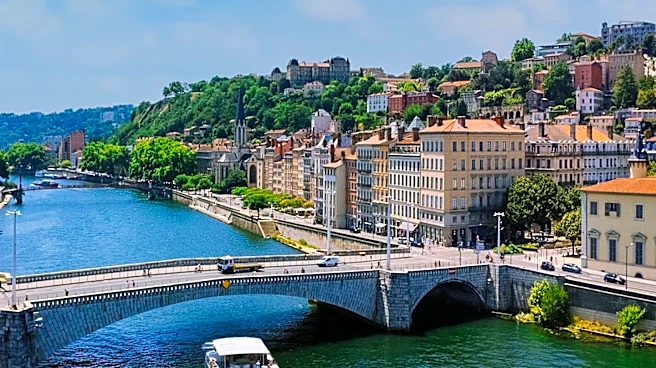
Congregation Agudath Sholom (CAS) in Stamford, Connecticut, organized a Jewish heritage trip to France from August 10-17, led by Senior Rabbi Daniel Cohen. The trip aimed to combine French culture and history with the rich Jewish history present in the country.
Participants visited significant locations such as Paris, Troyes, the Champagne region, and Normandy. A unique aspect of the trip was the 'Rashi of the Day,' where the group studied teachings of the famous Jewish commentator Rashi, connecting them to their experiences. The journey also included a visit to Normandy to learn about Jewish American soldiers who fought in World War II and the work of Operation Benjamin, which identifies Jewish American servicemen mistakenly buried under crosses to restore their Jewish identity on grave markers. The group also visited the site of the burning of the Talmud in Paris. Rabbi Cohen noted the vibrancy of the Jewish community in France, visiting synagogues and kosher restaurants, and experiencing a warm welcome at Chabad on the Champs-Élysées.
Why It's Important?
This heritage trip underscores the importance of intergenerational transmission of Jewish identity and memory, as highlighted by Rabbi Cohen's emphasis on carrying forward what previous generations have given. The focus on Rashi's teachings and their contemporary relevance demonstrates how historical figures continue to influence modern Jewish thought and practice. The visit to Normandy and the emphasis on Operation Benjamin are particularly significant for U.S. context, as they honor the sacrifices of Jewish American soldiers and highlight ongoing efforts to ensure their religious identity is recognized posthumously. This initiative connects the Jewish community in Stamford with a broader narrative of American military history and religious freedom. Furthermore, the trip's observation of a vibrant Jewish life in France, despite historical challenges and contemporary concerns about antisemitism, offers a nuanced perspective that counters a singular focus on adversity, promoting a narrative of resilience and continuity within the global Jewish community.
What's Next?
Congregation Agudath Sholom plans to continue its tradition of organizing heritage trips, with the next journey scheduled for Prague, Budapest, and Vienna. This indicates an ongoing commitment to fostering Jewish identity, education, and community bonding through travel and historical exploration. The experiences gained from these trips are likely to continue enriching the spiritual and cultural lives of the participants, strengthening their connection to Jewish heritage and global Jewish communities. The emphasis on understanding historical events, such as the burning of the Talmud and the sacrifices of Jewish American soldiers, suggests that future trips will also aim to provide deep educational insights and foster a sense of responsibility for carrying forward Jewish traditions. The positive reception of the French trip, particularly regarding the vibrant Jewish life observed, may encourage more members to participate in future international heritage programs, further solidifying the congregation's role in promoting Jewish continuity.
Beyond the Headlines
The Congregation Agudath Sholom's heritage trip to France delves into deeper implications beyond tourism, touching upon themes of historical memory, religious identity, and community resilience. By visiting sites like the burning of the Talmud, the trip confronts historical persecution while simultaneously celebrating the endurance of Jewish scholarship and faith. The focus on Operation Benjamin highlights a critical ethical dimension concerning the recognition of religious identity, even in death, for those who served their country. This effort resonates with broader discussions about diversity and inclusion within national narratives. The observation of a vibrant Jewish community in France challenges simplistic narratives of decline or constant threat, instead presenting a more complex picture of adaptation, cultural integration, and sustained religious practice. This nuanced understanding can foster greater empathy and informed dialogue about Jewish life globally, moving beyond stereotypes and acknowledging the multifaceted nature of Jewish experience in the diaspora. The trips serve as a powerful tool for cultural preservation and identity formation in an increasingly globalized world.