
What's Happening?
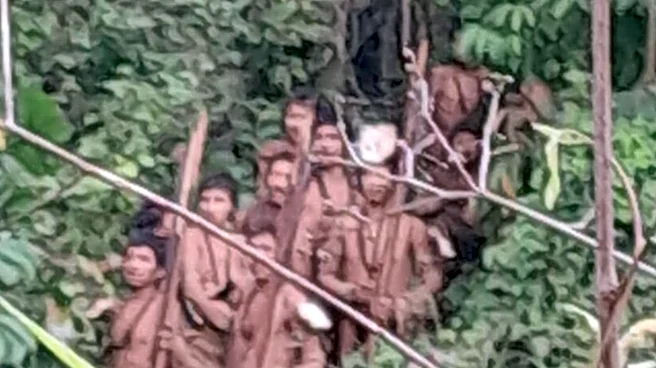
Approximately 20 members of the Awá Indigenous people, considered one of the world's most endangered tribes, made a rare contact with Brazilian government workers in the Amazonian village of Tawari, Maranhão.
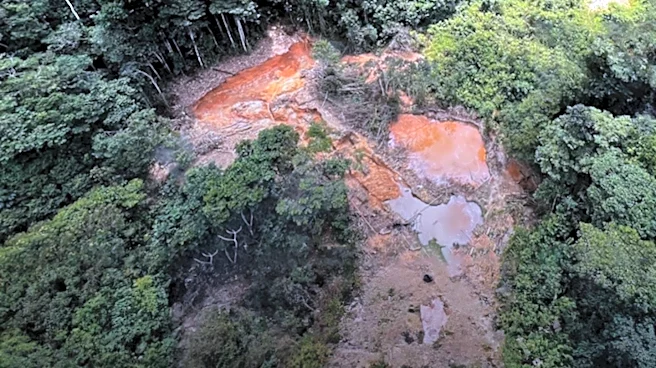
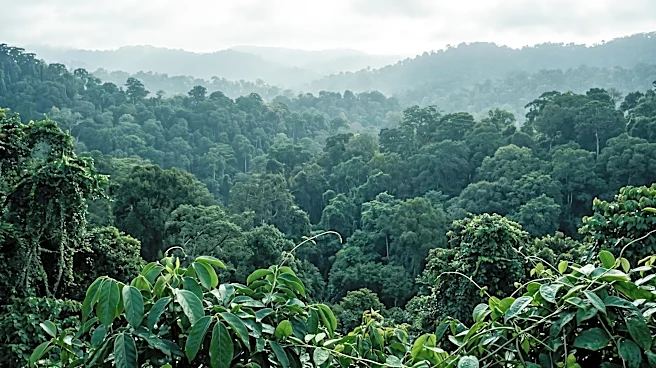
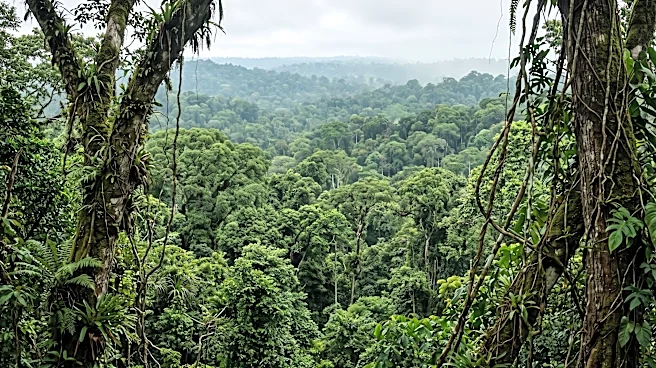
This encounter, which occurred on Monday, November 16, 2026, saw the nomadic hunter-gatherers seeking yams and accepting food before returning to their territory. Human rights group Survival International described this event as a 'troubling sign,' indicating the severe pressure faced by the uncontacted tribe due to ongoing encroachment from illegal logging, hunting, and cattle ranching. The Awá, who rely exclusively on hunting and gathering, are being driven into a shrinking area of the Amazon rainforest, surrounded by destruction. The Guajajara community, known as the Forest Guardians, has actively worked to protect the Awá, citing government failures to safeguard the tribe's land from invasive practices.
Why It's Important?
This rare contact highlights the critical vulnerability of uncontacted Indigenous peoples to external pressures and environmental degradation. The Awá tribe's need to seek food from outsiders underscores the direct impact of deforestation, climate change, and land encroachment on their traditional way of life and self-sufficiency. The situation in the Arariboia Indigenous Territory, home to both Guajajara and isolated Awá groups, exemplifies the broader conflict between conservation efforts and economic exploitation in the Amazon. The Guajajara's plea for immediate action from authorities emphasizes the urgent need for effective protection of Indigenous lands and the rights of uncontacted tribes. The potential exposure of the Awá to infectious diseases through such contact also poses a significant health risk to a population with no immunity to common illnesses.
What's Next?
Human rights organizations, including Survival International, are urging the Brazilian government to commit necessary resources to protect the Arariboia Indigenous Territory from illegal loggers and ranchers. Lawmakers are being pressed to strengthen measures for safeguarding the Awá's land. The Guajajara people, through the Forest Guardians, are demanding direct dialogue with relevant authorities to ensure the Awá's lives, health, safety, and dignity are protected. This situation may lead to increased international scrutiny on Brazil's environmental policies and its commitment to Indigenous rights. Further encounters could occur if the pressures on the Awá's territory continue, potentially leading to more significant health and cultural impacts on the tribe.
Beyond the Headlines
The plight of the Awá tribe reflects a global challenge concerning the protection of uncontacted Indigenous groups and their ancestral lands. This event brings to the forefront ethical questions about the balance between economic development and the preservation of unique cultures and biodiversity. The continued invasion of Indigenous territories raises legal implications regarding land rights and the enforcement of environmental laws. Culturally, the erosion of the Awá's traditional way of life represents an irreversible loss of unique knowledge and practices. The incident also underscores the broader long-term shifts in the Amazon, where deforestation and climate change are not only ecological disasters but also humanitarian crises for its Indigenous inhabitants, potentially triggering further calls for international intervention and support for Indigenous-led conservation efforts.