
What's Happening?
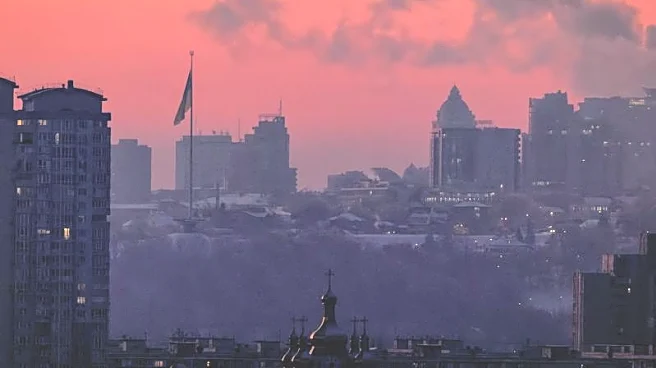
Ukraine's Foreign Ministry has condemned the actions of Hungary and Slovakia, accusing them of 'ultimatums and blackmail' after both countries threatened to cut off emergency electricity supplies to Ukraine. This development follows the cessation of Russian
oil shipments to Hungary and Slovakia since January 27, attributed by Ukraine to a Russian drone strike on pipeline equipment in Western Ukraine. However, Slovakia and Hungary blame Ukraine for the ongoing outage. Slovakian Prime Minister Robert Fico and Hungarian Prime Minister Viktor Orban have both issued threats to halt electricity supplies unless Ukraine resumes the transit of Russian oil through its territory. This situation has escalated tensions between Ukraine and its neighbors, who are EU and NATO members but maintain close ties with Moscow.
Why It's Important?
The dispute highlights the geopolitical complexities surrounding energy supplies in Europe, particularly involving countries with differing stances on Russia. Slovakia and Hungary's reliance on Russian oil via the Druzhba pipeline underscores their vulnerability to disruptions in energy transit through Ukraine. The situation also reflects broader tensions within the EU, as Hungary and Slovakia's actions diverge from the bloc's generally pro-Ukrainian stance. The potential cutoff of electricity supplies to Ukraine could exacerbate the country's energy challenges, especially amid ongoing conflict with Russia. This development could also influence EU energy policies and relations with Russia, as well as impact regional stability.
What's Next?
If Ukraine does not resume the transit of Russian oil, Slovakia and Hungary may proceed with their threats to cut off electricity supplies, potentially leading to further diplomatic tensions. The EU may need to mediate to prevent a deeper rift among member states and to ensure energy security. Additionally, Ukraine may seek alternative energy sources or diplomatic support from other allies to mitigate the impact of any potential electricity supply cuts. The situation could also prompt discussions within the EU about reducing dependency on Russian energy and enhancing energy resilience.