







What's Happening?
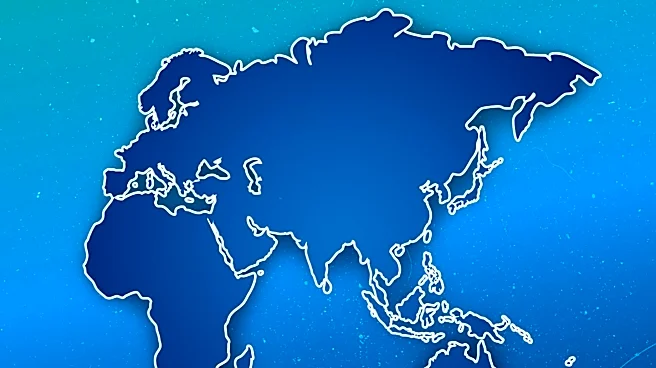
The U.S. State Department issued an apology after an AI-generated map incorrectly labeled several African countries during a presentation at the AIDS 2026 Conference in Rio de Janeiro. The error occurred when a staff member hastily updated presentation slides,
resulting in geographical inaccuracies. The map, which included an OpenAI watermark, misplaced countries such as Nigeria, Mozambique, and Côte d'Ivoire. Despite the blunder, the State Department emphasized that discussions at the conference remained substantive and constructive, reaffirming its commitment to global health efforts through the President's Emergency Plan for AIDS Relief (PEPFAR). The incident has sparked a wider debate about the reliability of AI-generated content, especially as such technology becomes more prevalent in governmental and business applications.
Why It's Important?
This incident highlights the growing concerns over the reliability of AI-generated content, particularly in official and international settings. The error underscores the potential risks associated with the rapid adoption of AI technologies without thorough verification processes. For the U.S. State Department, this mistake could affect its credibility and relationships with African partners, as it inadvertently misrepresented their countries. The broader implications extend to the financial markets, where investor confidence in the sustainability of the AI boom is already under scrutiny. As AI tools become more integrated into various sectors, ensuring accuracy and accountability becomes crucial to maintaining trust and avoiding diplomatic or economic repercussions.
What's Next?
In response to the incident, the U.S. State Department may need to review and enhance its protocols for using AI-generated content in official presentations to prevent similar errors in the future. This could involve implementing more rigorous checks and balances or providing additional training for staff on the limitations and potential pitfalls of AI tools. Additionally, the incident may prompt other governmental and business entities to reassess their reliance on AI technologies, potentially leading to increased demand for more reliable and transparent AI systems. The ongoing debate about AI's role in society is likely to intensify, with stakeholders calling for clearer guidelines and ethical standards.
Beyond the Headlines
The error at the AIDS 2026 Conference also raises questions about the cultural and ethical dimensions of AI technology. The misplacement of African countries on the map has sparked discussions about the potential biases inherent in AI models, which are often trained on datasets that may not accurately represent diverse global contexts. This incident could serve as a catalyst for encouraging more inclusive and representative AI development, particularly by involving local experts and communities in the creation and validation of AI tools. Such efforts could help mitigate the risk of similar errors and promote a more equitable technological landscape.