






What's Happening?
INTERPOL and the World Health Organization (WHO) have officially signed a cooperation agreement aimed at bolstering global health and security. This new framework combines INTERPOL's law enforcement expertise with WHO's public health leadership to collaboratively
prevent, detect, and respond to risks that threaten lives worldwide. The agreement focuses on strengthening collaboration in exceptional situations requiring coordinated health and security actions, including incidents involving the suspected misuse of chemical or radioactive materials and unusual biological events, whether natural, accidental, or deliberate. Both organizations will also coordinate efforts during major international events and mass gatherings to help countries better prepare for and respond to potential health threats. Key areas of cooperation also include tackling the trafficking of persons for organ removal, the illegal trade in human organs, tissues, and cells, and combating the illicit production and trade of falsified medical products, counterfeit personal protective equipment, unsafe food and drink, and illegally produced alcohol.
Why It's Important?
This agreement signifies a critical step towards a more integrated approach to global health security, recognizing that health threats often have criminal dimensions and transcend national borders. The interconnectedness of crime and health, as highlighted by INTERPOL Secretary General Valdecy Urquiza, means that issues like falsified medical products and human trafficking directly endanger public health and undermine trust in health systems. For the U.S., this collaboration is important as it contributes to a stronger international framework for preventing the entry of illicit medical products and addressing transnational organized crime that impacts health. A more secure global health environment reduces the risk of pandemics and other health crises reaching U.S. shores, protecting its citizens and economy. By enhancing the ability to identify and respond to threats like biological events or chemical misuse, the agreement strengthens the collective capacity to safeguard populations against complex and evolving dangers.
What's Next?
Following the signing of this agreement, INTERPOL and WHO will proceed with implementing the established framework. This will involve closer coordination between law enforcement and public health sectors at national and international levels. Countries will receive support in identifying threats, protecting consumers, and reinforcing international frameworks designed for safety. Joint efforts will likely include intelligence sharing, coordinated investigations, and capacity-building initiatives for member states to better address the intersection of crime and health. The agreement also aims to support the implementation of the WHO Framework Convention on Tobacco Control. The success of this collaboration will depend on the active participation and resource allocation from member countries, including the U.S., to translate the agreement's objectives into tangible actions and measurable outcomes in preventing and responding to global health and security threats.
Beyond the Headlines
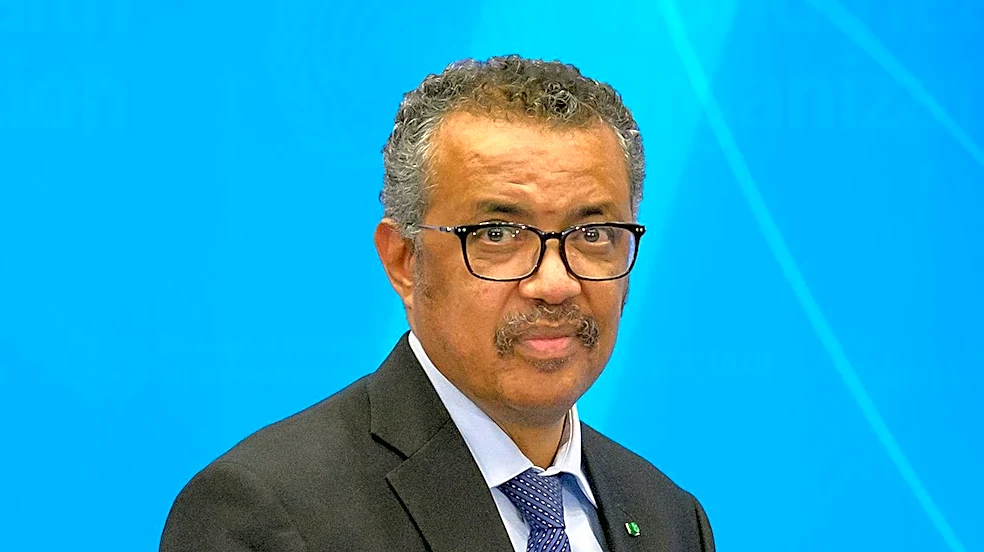
The formalization of this partnership between INTERPOL and WHO reflects a growing understanding that traditional silos between health and security sectors are no longer adequate to address modern global challenges. It underscores a paradigm shift towards a 'health security is global security' approach, as stated by WHO Director-General Dr. Tedros Adhanom Ghebreyesus. This collaboration has deeper implications for international governance, suggesting a future where cross-sectoral cooperation becomes the norm for tackling complex issues. It also highlights the ethical imperative to protect vulnerable populations from exploitation, such as organ trafficking, and from the dangers of illicit medical products. The agreement could set a precedent for other international bodies to forge similar partnerships, fostering a more resilient and coordinated global response system against threats that exploit vulnerabilities in both health and security infrastructures.