


What's Happening?
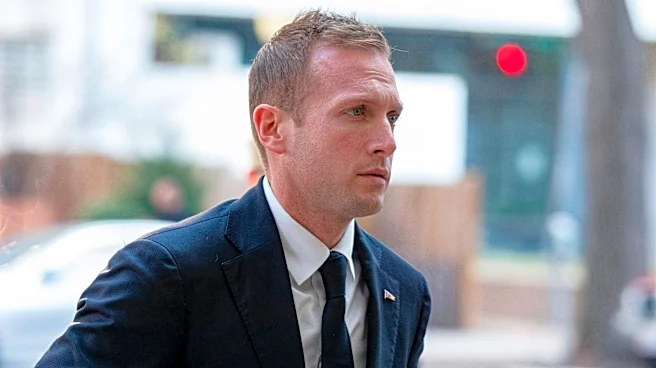
Rep. Max Miller, R-Ohio, is facing calls to resign following allegations of domestic abuse from his ex-wife, Emily Moreno, and other concerning behaviors. Moreno has accused Miller of various abusive actions, including throwing hot water on her and holding
a gun to her head. These allegations resurfaced during a child protective services investigation into injuries sustained by Miller's 2-year-old daughter. Despite these accusations, Miller has stated his intention to continue his reelection bid. Some Republican figures, including Sens. Jon Husted, Roger Marshall, and Shelley Moore Capito, have called for Miller to step down, but key figures like President Trump and House Speaker Mike Johnson have not publicly demanded his resignation.
Why It's Important?
The allegations against Rep. Max Miller highlight ongoing issues of accountability and ethics within political campaigns. The situation underscores the challenges in addressing allegations of abuse within the political sphere, particularly when influential figures refrain from taking a definitive stance. The case reflects broader societal debates about the impact of personal conduct on public service and the extent to which political figures are held accountable for their actions. The reluctance of some leaders to call for Miller's resignation may influence public perception of political integrity and the standards expected of elected officials.
What's Next?
As Miller continues his reelection campaign, the allegations may impact his political prospects and voter support. The situation could lead to increased scrutiny of Miller's conduct and further calls for accountability from political leaders and advocacy groups. The response from the Republican Party and its leadership will be closely watched, as it may set a precedent for handling similar cases in the future. The outcome of Miller's campaign and the party's stance could influence broader discussions about ethics and accountability in politics.