





What's Happening?
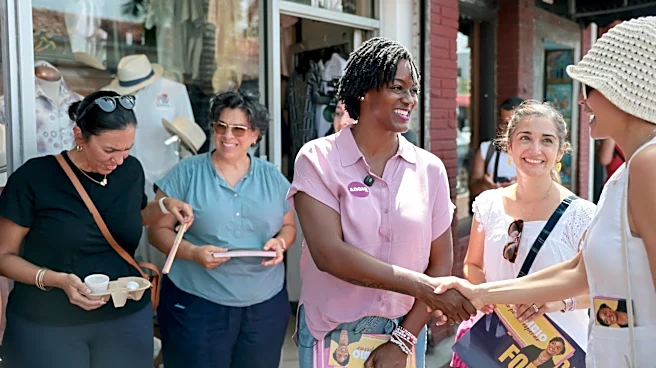
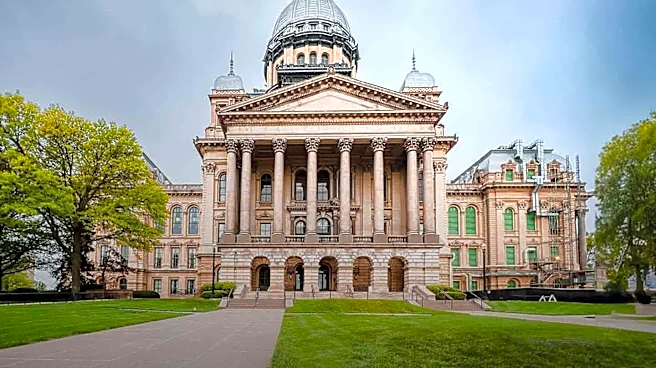
U.S. Senator Tammy Duckworth, D-Illinois, addressed Illinois Democrats in Springfield on August 19, 2026, during the annual Democrat Day at the Illinois State Fair and a subsequent brunch. Her remarks focused on the importance of diverse voices within
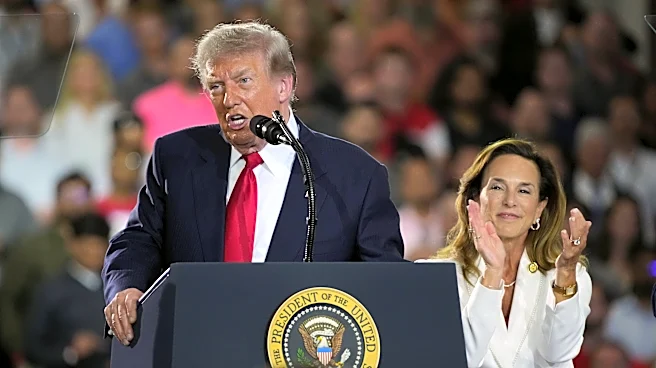
the Democratic Party and a strong critique of President Trump and national Republicans. Duckworth, along with other state leaders like Governor JB Pritzker, highlighted their efforts to counter President Trump's agenda, portraying him as a common opponent. The event served as a platform for Democrats to reinforce their dominance in Illinois politics, where they hold all statewide offices, supermajorities in the state legislature, and a significant majority of congressional seats. The discussions also touched upon ethical concerns within the Illinois House, which party leaders acknowledged need addressing. Despite these issues, the overarching message from the Democrats was one of unity against President Trump and confidence in their ability to maintain their political stronghold in the state.
Why It's Important?
Senator Duckworth's emphasis on diverse voices and the collective criticism of President Trump by Illinois Democrats underscore a strategic approach to galvanize their base and frame the upcoming elections. This narrative is crucial for the Democratic Party, particularly in a state like Illinois, which serves as a 'rebar' in the Midwestern blue wall, as described by Duckworth. By focusing on President Trump, Democrats aim to draw a clear contrast with Republican candidates and rally voters around a shared opposition. The party's strong financial backing, exemplified by Governor Pritzker's substantial campaign contribution, further highlights their intent to secure a third sweep of statewide races. This strategy is significant as it reflects a broader national Democratic effort to leverage anti-Trump sentiment, even in states where their dominance is already established. The discussions also reveal the party's internal challenges, such as ethics issues, which could potentially impact voter trust, despite the party's overall strength.
What's Next?
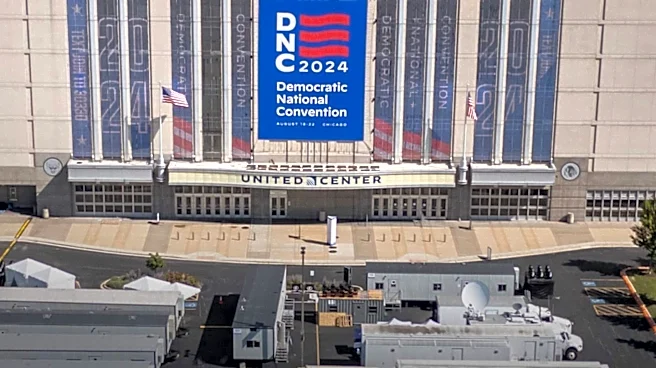
Illinois Democrats will continue to campaign with a strong focus on contrasting their policies and values with those of President Trump and national Republicans, aiming for a third consecutive sweep of statewide offices in the upcoming November elections. The party will likely work to address the ethics issues raised within the Illinois House to mitigate any potential negative impact on voter perception. Looking further ahead, the political landscape in Illinois will be shaped by the 2028 presidential election, with potential presidential aspirations for figures like Governor JB Pritzker. The competition for the 2028 Democratic National Convention, which saw Chicago eliminated as a finalist, suggests that while Illinois remains a Democratic stronghold, the party's national strategy for convention locations may shift. The upcoming Chicago mayoral election in February will also be a significant event, with prominent Democrats like Secretary of State Alexi Giannoulias and Comptroller Susana Mendoza vying for the position, indicating internal party dynamics and future leadership contests.
Beyond the Headlines
The Democratic Party's consistent focus on President Trump, even years after his presidency, reveals a deeper strategic reliance on a common adversary to maintain party cohesion and voter engagement. This approach, while effective in solidifying the base, might also inadvertently overshadow other critical policy debates or internal party reforms. The strong emphasis on 'diverse voices' by Senator Duckworth, alongside the criticism of President Trump, suggests a dual strategy: appealing to a broad coalition while simultaneously defining the opposition. The ethical challenges faced by some Illinois Democrats, despite the party's overall dominance, highlight the persistent need for accountability and transparency within political structures, regardless of party affiliation. This situation also brings to light the potential for internal divisions and leadership contests, as seen in the upcoming Chicago mayoral race, which could shape the future direction of the party in the state.