



What's Happening?
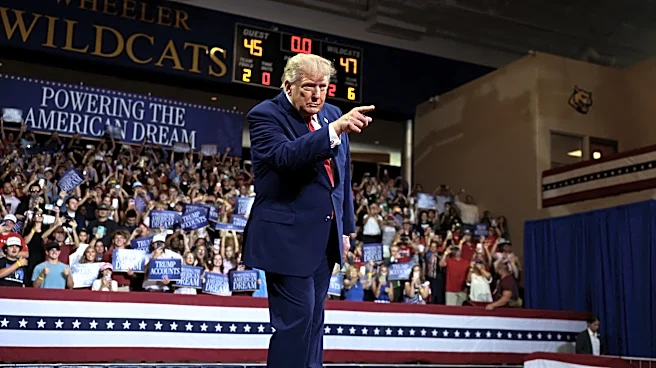
President Donald Trump has issued a pardon to Adam Kidan, a significant donor to Republican causes and a key figure in the Jack Abramoff lobbying scandal. Kidan, who served a prison sentence in the mid-2000s, recently donated $2,600 to the campaign of Rep.
Ryan Mackenzie, a Republican from Pennsylvania. This donation was made on June 30, and the pardon was granted on July 3. The pardon is likely to relieve Kidan from paying much of the $21 million in restitution he was ordered to make. This act of clemency is part of a broader pattern of pardons by President Trump, which has included individuals who have shown loyalty to him or have made significant political contributions.
Why It's Important?
The pardon of Adam Kidan raises questions about the use of presidential clemency powers and the potential for quid pro quo arrangements. Critics argue that such pardons undermine the justice system by allowing wealthy individuals to escape accountability through political donations. This pattern of pardons could erode public trust in the fairness of the legal system and the integrity of political processes. The issue also highlights the lack of oversight on presidential pardons, as the Constitution grants this power without checks from other branches of government.
What's Next?
The pattern of pardons by President Trump may prompt calls for legislative action to introduce more oversight or limitations on presidential clemency powers. Political and legal analysts may continue to scrutinize the implications of these pardons, potentially leading to further investigations or reforms. The situation could also influence public opinion and voter behavior in upcoming elections, as concerns about political corruption and accountability remain prominent.