
What's Happening?
The role of Congress in authorizing military actions has diminished over the past 25 years, with recent events highlighting this shift. Historically, the War Powers Resolution of 1973 required the president to notify Congress within 48 hours of military action and
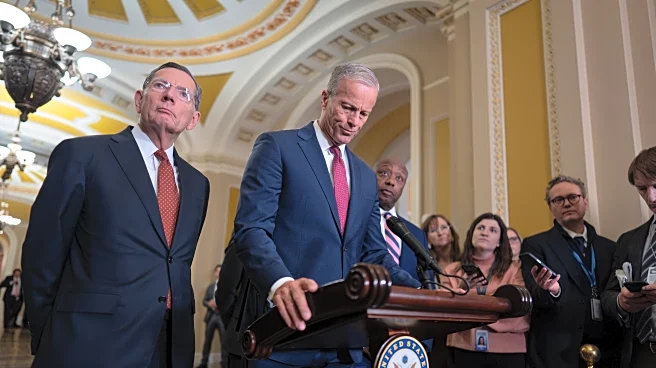
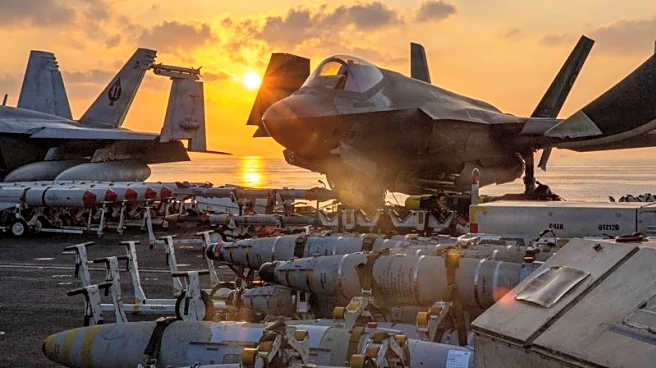
limited military engagement without congressional approval to 60 days. However, recent military strikes against Iran, approved by President Trump, occurred without legislative consent, reflecting a trend where Congress has ceded significant war powers to the executive branch. This shift has been criticized by figures like Kelley Vlahos, editor-in-chief at Responsible Statecraft, who noted the lack of congressional challenge to the administration's actions. The resolution to restrain presidential military actions, primarily supported by Democrats, failed in both the Senate and the House, with only a few Republicans joining the effort.
Why It's Important?
The erosion of congressional authority in military matters has significant implications for U.S. governance and foreign policy. By allowing the executive branch to unilaterally engage in military actions, the traditional checks and balances system is weakened, potentially leading to unchecked military interventions. This shift could result in increased military engagements without thorough legislative scrutiny or public debate, impacting U.S. international relations and military strategy. The failure of Congress to assert its authority may also reflect broader partisan divides, where political allegiance influences decisions on national security rather than constitutional principles. This trend raises concerns about the long-term implications for democratic accountability and the potential for future administrations to engage in military actions without sufficient oversight.
What's Next?
The ongoing debate over war powers is likely to continue, with potential implications for future military engagements and defense policy. As President Trump calls for a significant increase in the defense budget, discussions around military spending and interventionism are expected to intensify. Lawmakers may face pressure to revisit the War Powers Resolution and consider new measures to restore congressional authority in military decisions. Public opinion, which has shown mixed reactions to recent military actions, could influence future legislative efforts and presidential decisions. The outcome of these debates will shape the U.S. approach to international conflicts and the balance of power between the legislative and executive branches.
Beyond the Headlines
The shift in war powers raises ethical and strategic questions about the U.S. approach to international conflicts. The reliance on executive authority for military actions may prioritize short-term tactical gains over long-term strategic planning and diplomatic solutions. This trend could lead to increased military spending and interventionism, potentially diverting resources from domestic priorities. Additionally, the lack of congressional oversight may reduce transparency and accountability in military operations, affecting public trust in government decisions. The broader implications of this shift highlight the need for a reevaluation of U.S. foreign policy and defense strategy to ensure that military actions align with national interests and democratic values.