



What's Happening?
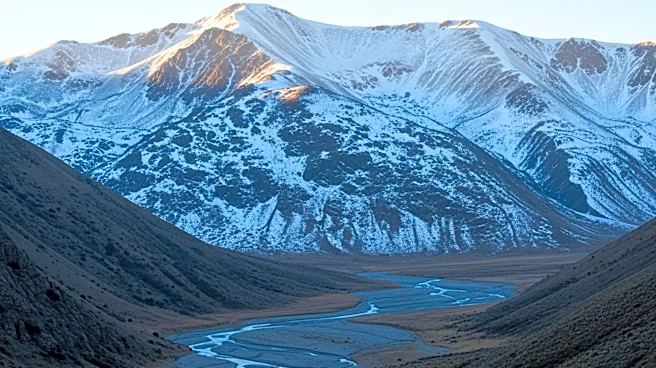
The Sierra Nevada snowpack, a crucial source of water for California, has been recorded at only 18% of its historical average as of April 1, marking the second-lowest level in recorded history. This significant reduction is attributed to a March heat
wave that melted large portions of the snowpack. Despite this, state water managers have indicated that California is not currently facing drought conditions due to nearly full reservoirs from previous wet winters. However, the lack of snow raises concerns about water availability if the next winter is similarly dry. The snowpack's decline is part of a broader trend linked to climate change, which is causing earlier snowmelt and increasing fire risks in the Sierra Nevada region.
Why It's Important?
The reduced snowpack has significant implications for California's water management and environmental stability. The snowpack traditionally acts as a natural reservoir, slowly releasing water as it melts, which is crucial for maintaining water supplies during the dry summer months. With the snowpack at such low levels, there is a heightened risk of water shortages if future winters do not replenish the reservoirs. This situation underscores the need for improved water storage solutions and conservation measures to adapt to changing climate patterns. The potential for increased fire risk due to dry conditions also poses a threat to ecosystems and communities in the Sierra Nevada area.
What's Next?
Water managers and policymakers may need to consider expanding water storage capacities and implementing more robust conservation strategies to mitigate the impacts of reduced snowpack. This could involve building new reservoirs, enhancing groundwater storage, and promoting water-efficient practices among consumers. Additionally, monitoring and adapting to climate change impacts will be crucial in ensuring long-term water security for California.