






What's Happening?
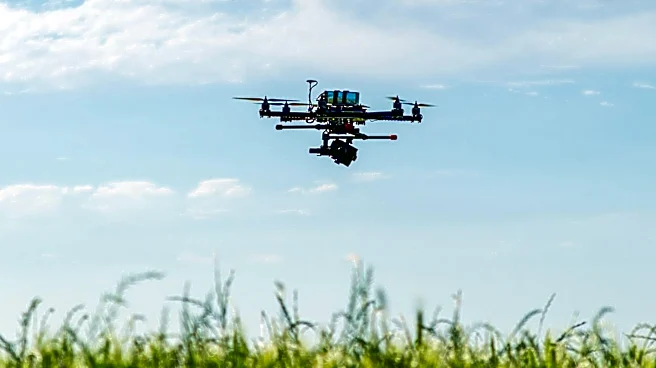
Michigan 4-H is leveraging drone technology to expose young people to potential careers in agriculture and aviation. According to Sue Beerens, a Michigan 4-H program coordinator in Missaukee County, the growing interest in drones is creating new opportunities
for youth. Beerens emphasizes that 4-H plays a significant role in helping children explore various career paths, highlighting that the possibilities are limitless. She recently contributed to establishing one of the state's first aviation-focused 4-H clubs. This initiative encourages members to think innovatively about how technology, specifically drones, can be applied in future decision-making within the workforce, such as determining spray amounts or suitable fields for drone operations. In collaboration with Wexford County 4-H and a local county airport, community leaders have also launched the Future Flyers Aviation Camp, designed to illustrate the connections between aviation, agriculture, and technology. The success of these programs is largely attributed to the volunteers who dedicate their time and talents.
Why It's Important?
This initiative is important because it addresses the evolving landscape of the agricultural and aviation industries, which are increasingly integrating advanced technology. By introducing youth to drones and their applications in these sectors, Michigan 4-H is proactively preparing the next generation for future workforce demands. This early exposure can spark interest in STEM fields and provide practical skills that are becoming essential for modern farming and aerial operations. Furthermore, the program fosters critical thinking and problem-solving abilities as participants learn to apply technology to real-world scenarios. The involvement of community leaders and volunteers underscores the importance of local engagement in youth development and career readiness, potentially leading to a more skilled and technologically adept agricultural and aviation workforce in Michigan.
What's Next?
The Michigan 4-H program is expected to continue expanding its technology-focused initiatives, particularly those involving drones, given the positive reception and the increasing relevance of such skills. As more youth become engaged, there may be further development of specialized clubs and camps that delve deeper into specific technological applications within agriculture and aviation. The success of the Future Flyers Aviation Camp could serve as a model for other counties or states looking to integrate similar educational programs. Continued volunteer support and community partnerships will be crucial for sustaining and growing these efforts, potentially leading to a more robust pipeline of talent for these industries. The program's focus on practical application suggests that participants will be better equipped to enter the workforce with relevant skills, potentially influencing future educational curricula and career development programs in the state.
Beyond the Headlines
Beyond the immediate benefits of career exposure, this program highlights a broader trend of technology integration in traditional industries. It underscores the necessity for educational programs to adapt to rapid technological advancements to remain relevant and effective. The initiative also touches upon the digital divide, as access to such technology and training can significantly impact future opportunities for young people. By making these resources available through 4-H, the program helps democratize access to cutting-edge skills. Furthermore, it subtly promotes a shift in perception of agriculture from a purely manual labor field to one that is technologically sophisticated and intellectually stimulating, potentially attracting a more diverse group of individuals to the sector. The emphasis on community involvement also reinforces the idea that collective effort is vital for preparing youth for a dynamic future.