








What's Happening?
The UK Health Security Agency (UKHSA) has reported a resurgence of measles in England, resulting in the deaths of two children this year. This marks the first time since 2018 that two children have died from measles in a single year in England and Wales.
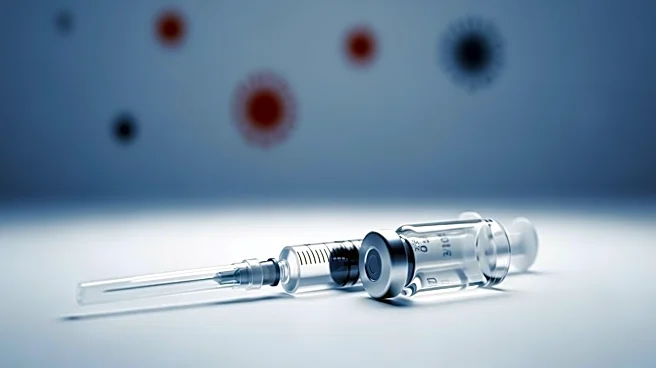
The agency noted that over 100 new cases have been confirmed in the last two weeks, bringing the total number of cases this year to 736. The majority of these cases are among unvaccinated children aged 10 and under. The UKHSA has emphasized the importance of vaccination, urging parents to ensure their children receive the MMR (measles, mumps, and rubella) vaccine. The agency highlighted that measles is a highly infectious disease that can lead to severe complications, including pneumonia and brain inflammation.
Why It's Important?
The resurgence of measles in England underscores the critical importance of maintaining high vaccination rates to prevent outbreaks of infectious diseases. The situation highlights the potential consequences of vaccine hesitancy and the challenges faced by public health systems in ensuring comprehensive immunization coverage. The deaths of the two children serve as a stark reminder of the serious health risks posed by measles, which can be fatal, particularly for young children. The UKHSA's call for increased vaccination efforts is crucial to protect vulnerable populations, including infants too young to be vaccinated and individuals with health conditions that prevent them from receiving vaccines. The situation also raises concerns about the potential for similar outbreaks in other regions with declining vaccination rates.
What's Next?
In response to the measles outbreak, there may be increased efforts to reform the delivery of MMR vaccines in England. Public health officials and policymakers could implement strategies to improve vaccination rates, such as public awareness campaigns and enhanced access to vaccines. The UKHSA and other health organizations might also collaborate to address vaccine hesitancy and misinformation. Monitoring and surveillance of measles cases will likely continue to prevent further spread. Additionally, the situation may prompt discussions on international cooperation to address global vaccination challenges, as similar issues are observed in other countries with low immunization rates.