



What's Happening?
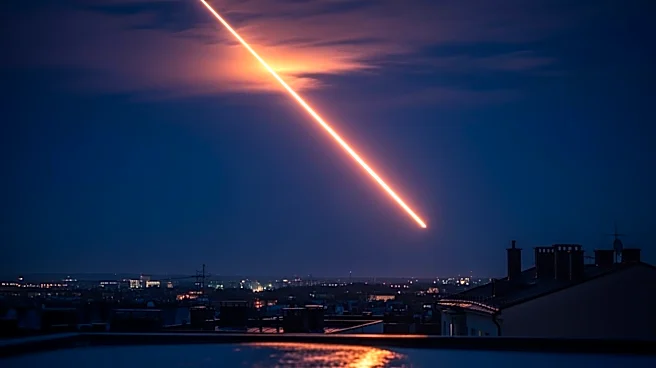
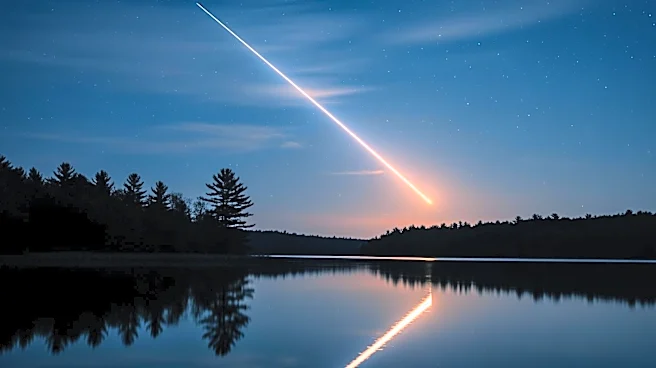
On May 30, 2026, residents across eastern Massachusetts experienced a loud boom, initially causing confusion and concern. Many believed it to be an earthquake or explosion. However, meteorologists, including Pamela Gardner from NBC10 Boston, confirmed
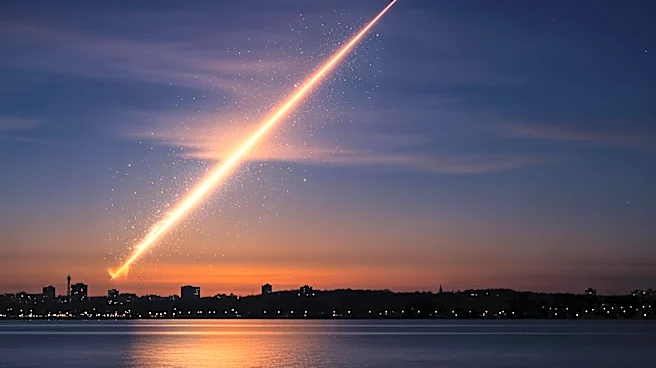
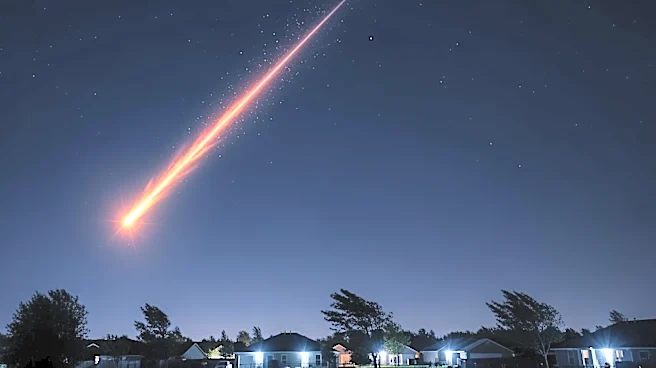
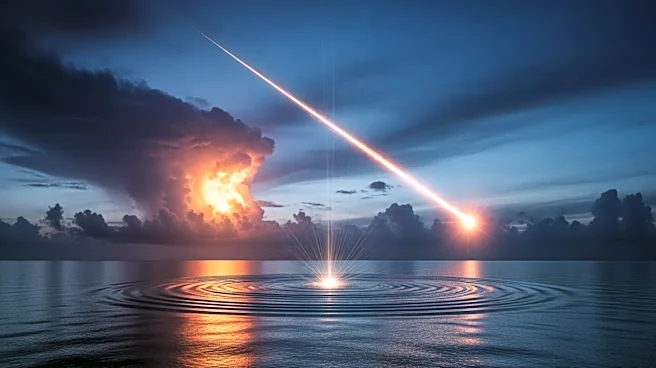
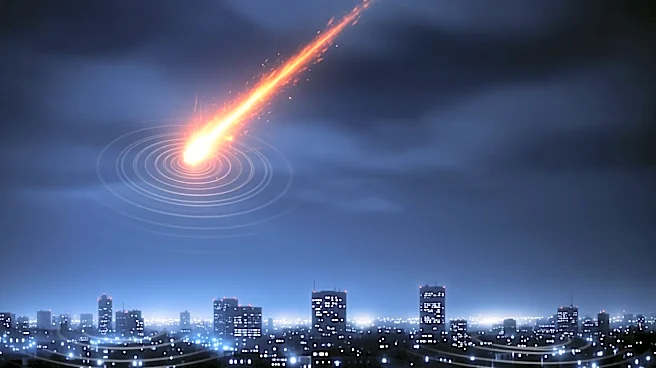
that the noise was likely caused by a meteorite entering and exploding in the atmosphere. The American Meteor Society reported that the meteor, approximately three feet wide, entered the atmosphere near the New Hampshire border with Massachusetts. NASA confirmed the event, noting the meteor's speed at roughly 75,000 mph and its fragmentation at an altitude of 40 miles. The energy released was equivalent to about 300 tons of TNT, accounting for the loud booms heard across the region.
Why It's Important?
The incident highlights the potential for natural phenomena to cause widespread concern and disruption. While no damage or injuries were reported, the event led to a surge in emergency calls and social media activity, reflecting public anxiety. Such occurrences underscore the importance of effective communication and preparedness by public safety officials to manage unexpected events. The meteor's entry into the atmosphere serves as a reminder of the unpredictable nature of space-related events and their potential impact on populated areas.
What's Next?
While the meteor did not cause any known damage, the Massachusetts Executive Office of Public Safety and Security continues to monitor the situation. Public safety officials are working to reassure residents and address any lingering concerns. The event may prompt discussions on improving public awareness and response strategies for similar occurrences in the future. Additionally, scientific communities may investigate the meteor's trajectory and composition further, contributing to the understanding of such phenomena.
Beyond the Headlines
The meteor's impact on public perception of safety and natural events could lead to increased interest in space and atmospheric sciences. Educational initiatives may arise to inform the public about meteors and their effects. Furthermore, the event could influence policy discussions on emergency preparedness and communication strategies, ensuring communities are better equipped to handle unexpected natural events.