
What's Happening?
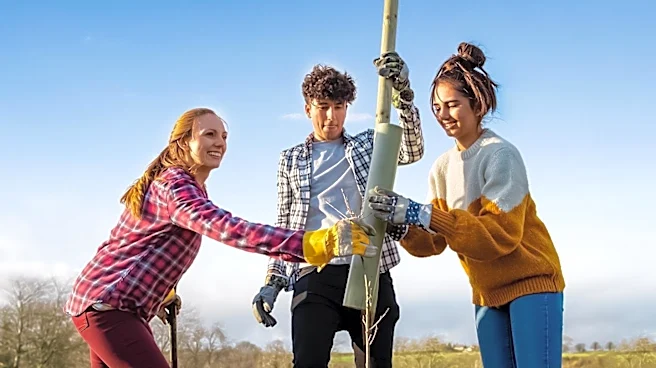
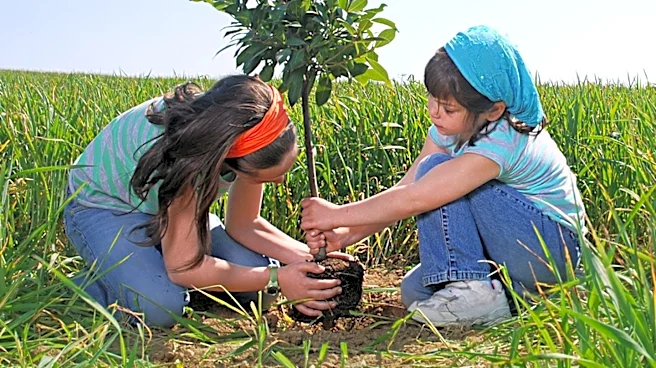
Johnson County is currently undertaking a two-year initiative to plant 45 trees around three county buildings in Iowa City. This project aims to enhance the downtown area by providing shade, increasing greenery, and creating wildlife habitats. The first
phase of this project is nearing completion. The initiative has received over $18,000 in grant funding from the Iowa Department of Natural Resources. The planting plan includes a diverse selection of species such as hornbeams, oaks, and yellowwoods, chosen for their suitability to Iowa's climate. Becky Soglin, sustainability coordinator for Johnson County, noted that a key objective of the Iowa DNR program is to promote tree diversity, including native species or those well-adapted to the local climate, resulting in approximately twenty different tree types among the 45 total. The grant covers the costs of the trees, some planting supplies, and a portion of the county staff's time dedicated to planting and maintenance. County groundskeeper Jason Mick emphasized that tree selection and placement are also influenced by proximity to buildings and sidewalks, ensuring they do not interfere with existing structures or pathways.
Why It's Important?
This tree-planting project holds significant importance for urban environmental health and community well-being in Iowa City. The addition of trees directly contributes to cooling urban areas, which are often characterized by extensive pavement and parking lots that absorb and radiate heat. This cooling effect benefits not only individuals visiting or working in county buildings but also the broader public. Beyond temperature regulation, the trees will enhance the aesthetic appeal of downtown Iowa City, providing natural beauty that can positively impact residents' moods and overall quality of life. From an ecological perspective, the diverse selection of trees will create new habitats for local wildlife, supporting biodiversity within an urban setting. The project also demonstrates effective utilization of state grant funding to implement local environmental improvements, setting a precedent for other communities seeking to enhance their green infrastructure. The long-term benefits include improved air quality, reduced stormwater runoff, and increased property values, all contributing to a more sustainable and livable urban environment.
What's Next?
The remaining trees for the Johnson County project are scheduled to be planted periodically throughout the next year, completing the two-year initiative. As these trees mature, they will progressively contribute to the environmental and aesthetic goals of the project, offering increased shade, enhanced urban canopy, and expanded wildlife habitats. County officials will likely continue to monitor the health and growth of the newly planted trees, ensuring their successful establishment. The success of this project could serve as a model for future urban greening initiatives within Johnson County and potentially inspire similar efforts in other Iowa communities. Continued collaboration with the Iowa Department of Natural Resources for future grants and environmental programs is also a foreseeable next step, as the county demonstrates its commitment to sustainability and urban ecological improvements. Public engagement and educational outreach regarding the benefits of urban forestry may also follow, raising awareness and fostering community stewardship of these new green spaces.
Beyond the Headlines
Beyond the immediate environmental benefits, this tree-planting initiative in Johnson County reflects a broader trend in urban planning towards integrating nature into cityscapes to combat the effects of urbanization and climate change. The project underscores the understanding that green infrastructure is not merely an aesthetic enhancement but a critical component of resilient urban environments. It highlights the often-underestimated psychological benefits of natural beauty in daily life, suggesting that investments in green spaces can contribute to public mental health and well-being. Furthermore, the careful selection of diverse, climate-appropriate species points to a forward-thinking approach to urban forestry, aiming for long-term ecological stability and resistance to environmental stressors. This initiative also subtly addresses environmental justice by improving public spaces that are accessible to all residents, potentially mitigating the 'heat island' effect that disproportionately impacts urban areas with less green cover. The project exemplifies how local government, with state support, can implement tangible solutions that yield multifaceted benefits for both the environment and the community.