





What's Happening?
A new study has revealed a dramatic decline in marine animal populations in a deep part of the Gulf of Mexico following the 2010 Deepwater Horizon explosion. Researchers found that the number of marine animals in the ocean's 'twilight zone' decreased
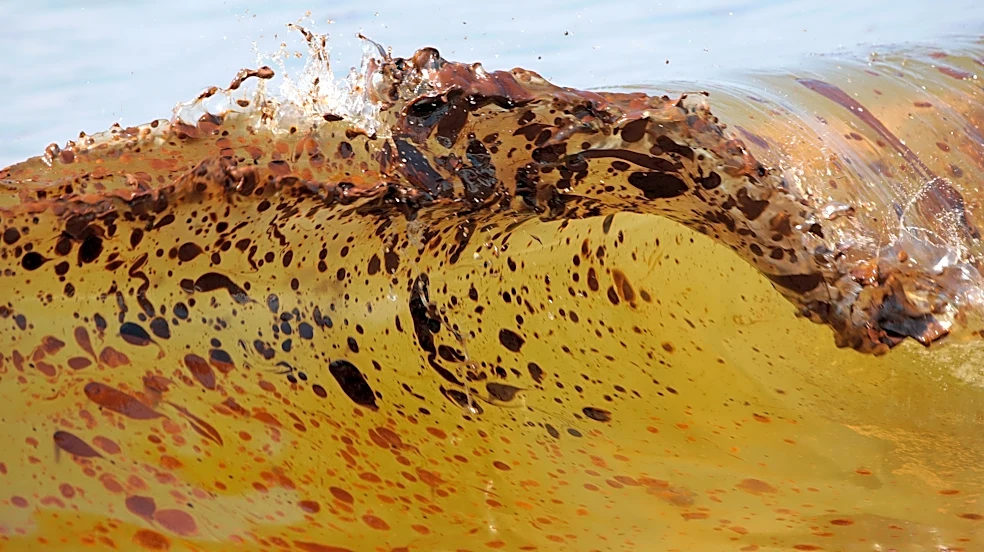
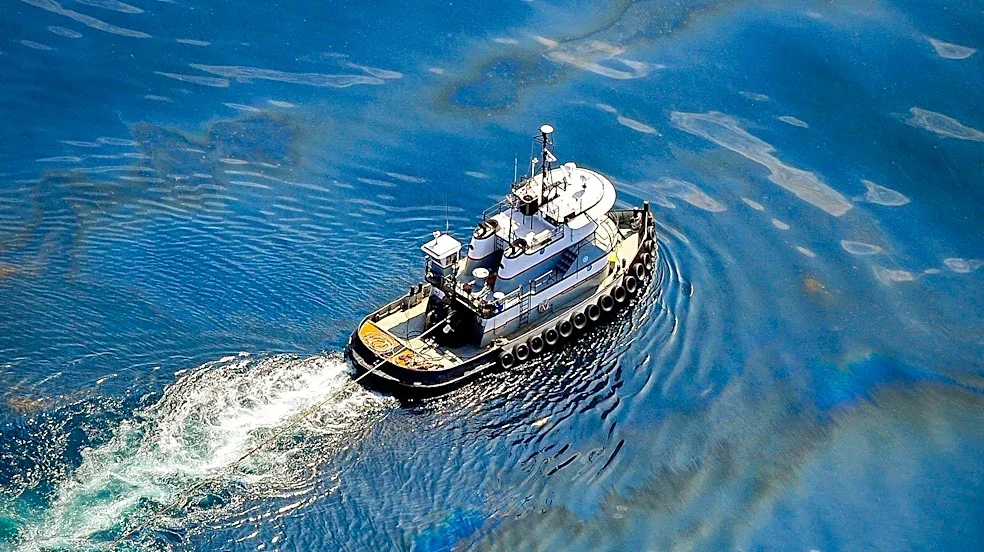
by approximately 60% in the years after the spill. Specifically, fish populations dropped by 63.5%, crustaceans by 62%, and larger animals like squid and octopuses by 59.7% between 2011 and 2015. These populations have not shown significant signs of recovery. The study, published in the journal PNAS, focused on an area between the surface and 5,000 feet deep where the BP-operated well released 134 million gallons of oil. Scientists ruled out natural variables like temperature, oxygen supply, and food availability as causes for the decline, concluding that the oil spill was the most likely factor.
Why It's Important?
This study underscores the long-term and devastating ecological impact of major oil spills on marine ecosystems, particularly in less-explored deep-sea environments. The significant decline in foundational species like krill, lanternfish, and dragonfish indicates a severe disruption to the food web, which can have cascading effects on the entire Gulf of Mexico ecosystem, including commercially important species and larger marine mammals. The lack of recovery more than a decade after the incident highlights the persistent toxicity of oil and dispersants used in cleanup efforts. This research provides critical data for understanding the environmental consequences of deep-sea drilling and informs future disaster response strategies, emphasizing the need for more effective and less harmful cleanup methods. It also raises concerns about the vulnerability of deep-sea environments to human industrial activities.
What's Next?
The findings of this study will likely intensify discussions around offshore drilling regulations and environmental protection policies in the Gulf of Mexico and other deep-water exploration areas. Policymakers and environmental agencies may face increased pressure to review and potentially strengthen existing safeguards to prevent similar ecological disasters. The study's conclusions could also influence ongoing legal and financial accountability discussions related to the Deepwater Horizon spill, potentially impacting future compensation claims or restoration efforts. Furthermore, the research may spur increased funding and focus on long-term monitoring and recovery efforts for affected marine populations, as well as further studies into the long-term effects of oil and dispersants on deep-sea ecosystems. The scientific community may also use these findings to advocate for more comprehensive baseline studies of unexplored ocean regions before industrial activities commence.
Beyond the Headlines
The study's revelation that the inner ocean remains more unknown than outer space highlights a critical gap in scientific understanding and environmental stewardship. The dramatic and sustained impact of the Deepwater Horizon spill on the Gulf's 'twilight zone' serves as a stark reminder of the unforeseen consequences of human activities in poorly understood environments. This situation brings to light ethical considerations regarding humanity's responsibility to protect ecosystems that are out of sight and often out of mind. The interconnectedness of the oceanic Gulf, from surface to depth, as revealed by the study, suggests that damage in one area can have far-reaching effects throughout the entire system. This understanding should inform future decisions regarding deep-sea mining and increased oil drilling, urging a more precautionary approach to industrial expansion into vulnerable and unexplored marine habitats.