

What's Happening?
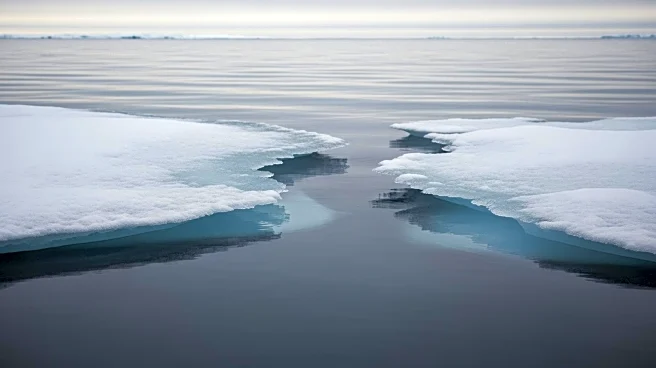
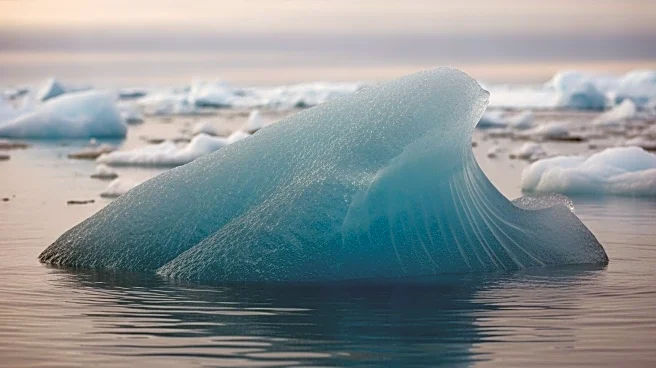
The Arctic region has experienced a significant reduction in sea ice, reaching a record low for the winter maximum extent. On March 15, scientists from NASA and the National Snow and Ice Data Center recorded the ice extent at 5.52 million square miles,
which is approximately 9% lower than the average between 1981 and 2010. This marks the lowest peak observed since satellite records began in 1979. The reduction in sea ice is attributed to the ongoing buildup of heat-trapping gases in the atmosphere from burning fossil fuels, which is warming the oceans and air, leading to ice melt and worsening weather extremes globally. The Arctic is expected to be ice-free in the summer by 2050, even if climate pollution is halted.
Why It's Important?
The decline in Arctic sea ice has profound implications for global climate patterns. Sea ice acts as a reflective barrier, bouncing sunlight back into space. As it diminishes, more solar energy is absorbed by the dark ocean, accelerating global warming. This phenomenon contributes to extreme weather events and impacts ecosystems worldwide. The Arctic's transformation into a geopolitical hotspot also raises concerns, as melting ice opens new commercial and military opportunities. The ongoing loss of sea ice is a critical indicator of the Earth's climate health, highlighting the urgent need for global action to reduce fossil fuel emissions and mitigate climate change.
What's Next?
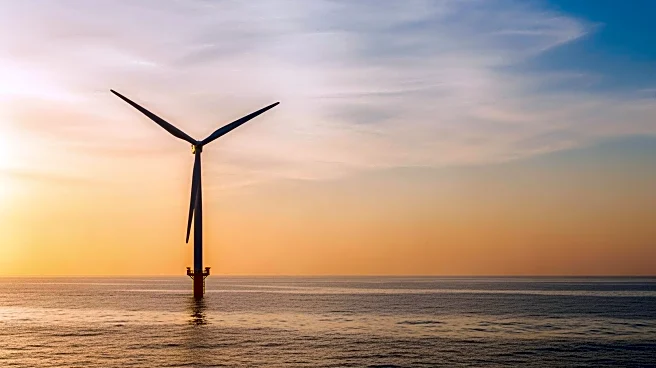
The continued reduction in Arctic sea ice is expected to influence the spring and summer melt seasons, potentially leading to further record lows. Scientists and policymakers are likely to focus on strategies to address the root causes of climate change, including reducing greenhouse gas emissions and transitioning to renewable energy sources. International cooperation may be necessary to manage the geopolitical implications of an ice-free Arctic, as nations vie for access to new shipping routes and resources. The situation underscores the importance of global climate agreements and the need for immediate action to prevent further environmental degradation.
Beyond the Headlines
The loss of Arctic sea ice is not just an environmental issue but also a cultural and economic one. Indigenous communities in the Arctic, who rely on sea ice for their traditional way of life, face significant challenges as their environment changes. The economic implications are vast, with potential impacts on global fisheries, shipping industries, and energy exploration. The ethical considerations of exploiting newly accessible Arctic resources must be weighed against the environmental costs. Long-term, the continued warming of the Arctic could lead to irreversible changes in global climate systems, affecting biodiversity and human societies worldwide.