






What's Happening?
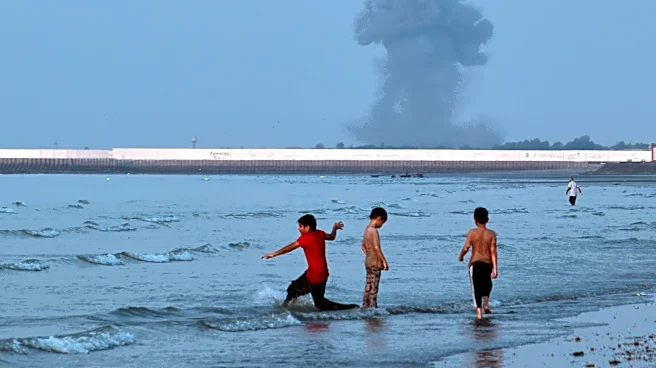
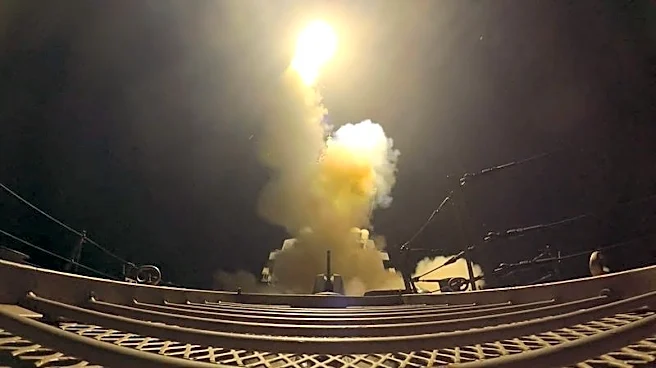
Oil prices have risen by approximately 2% as hostilities between the U.S. and Iran have reignited, leading to increased tensions in the Middle East. President Trump has reimposed a naval blockade on Iranian ports, and Iran's Islamic Revolutionary Guard
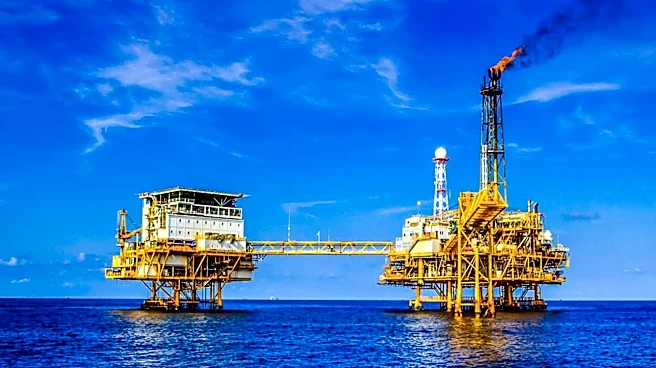
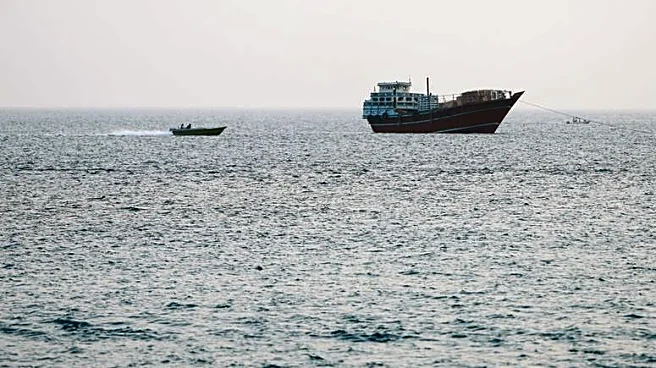
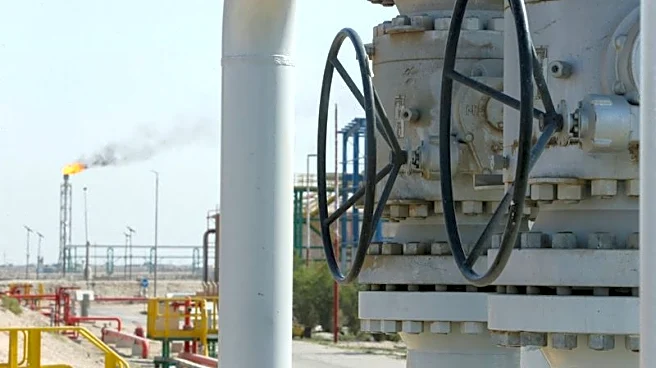
Corps has threatened to close export corridors that benefit the U.S. and its allies. This has resulted in Brent crude and West Texas Intermediate prices reaching one-month highs. The Strait of Hormuz, a vital passage for global oil and liquefied natural gas, has seen disruptions, exacerbating supply concerns.
Why It's Important?
The escalation of tensions between the U.S. and Iran has significant implications for global energy markets. The Strait of Hormuz is a critical chokepoint for oil transportation, and any disruption can lead to increased volatility in oil prices. This situation highlights the geopolitical risks associated with energy supply and the potential for conflicts to impact global economic stability. Countries dependent on oil imports may face economic challenges due to rising energy costs, while oil-exporting nations could see increased revenues.
What's Next?
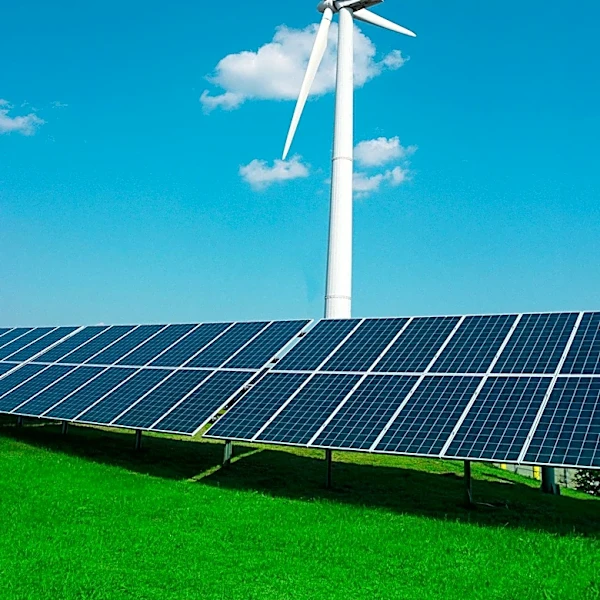
The situation remains fluid, with potential for further escalation or diplomatic resolution. Stakeholders, including governments and energy companies, will be closely monitoring developments. The U.S. military's actions and Iran's responses will be critical in shaping the future of the conflict and its impact on global energy markets. Additionally, countries may explore alternative energy sources or increase strategic reserves to mitigate the impact of such geopolitical risks.