






What's Happening?
Fort Wayne Mayor Sharon Tucker has expressed her disappointment and called the City Council's decision to vote against funding for a new downtown homeless shelter 'disheartening.' In an editorial published in The Journal Gazette, Mayor Tucker emphasized
the urgent need to address homelessness in the city, stating that 'something must be done.' The City Council voted 5-3 against her proposal to fund the shelter, with Mayor Tucker noting that Democratic council members supported her plan while Republicans blocked the funding. Addressing homelessness is a central focus of her administration, and she indicated a commitment to exploring alternative solutions with community partners, even without direct City Council support. The future of the Anchor Resource Center Board's plans for a new facility remains uncertain without the allocated building or funds.
Why It's Important?
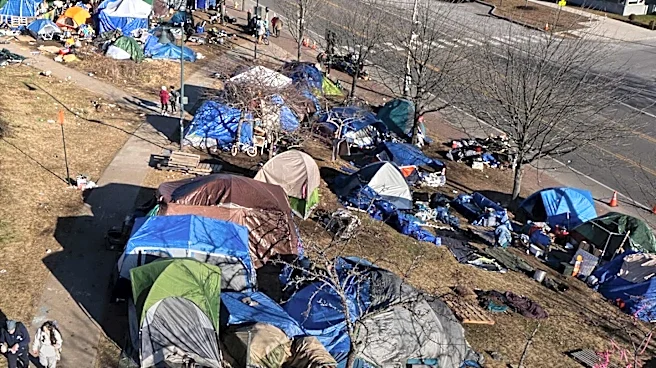
The City Council's rejection of funding for a new homeless shelter in Fort Wayne carries significant implications for the city's most vulnerable population and its social services infrastructure. Homelessness remains a critical issue in many U.S. cities, and the lack of adequate shelter and resources can exacerbate public health crises, increase strain on emergency services, and hinder efforts to reintegrate individuals into society. The political division highlighted by Mayor Tucker, with Democrats supporting and Republicans opposing the funding, reflects broader national debates on social welfare spending and local government priorities. This decision could lead to increased visibility of homelessness, potential public health concerns, and a greater burden on existing, potentially overstretched, charitable organizations. It also signals a potential policy stalemate that could delay effective solutions for the city's homeless population.
What's Next?
Following the City Council's vote, Mayor Tucker plans to engage with community partners to explore alternative avenues for addressing homelessness, independent of direct City Council funding. This could involve seeking private donations, federal grants, or collaborating with non-profit organizations to establish or expand services. The Anchor Resource Center Board will need to reassess its strategy for acquiring a building and securing necessary funds, which may involve revised proposals or alternative fundraising campaigns. The issue is likely to remain a prominent topic in local political discourse, potentially influencing future municipal elections as residents weigh the effectiveness of their elected officials in addressing social challenges. Public advocacy groups for the homeless may also intensify their efforts to pressure the City Council or rally community support for alternative solutions.
Beyond the Headlines
The Fort Wayne City Council's decision extends beyond immediate funding implications, touching upon deeper societal questions regarding civic responsibility and the role of local government in addressing poverty and social welfare. The political divide on this issue could reflect differing philosophies on how best to tackle homelessness—whether through direct public funding for shelters or through other community-based or private initiatives. This situation might also highlight the challenges faced by mayors in implementing their agendas when confronted with opposition from legislative bodies, potentially leading to increased political polarization within city governance. Furthermore, the lack of a dedicated resource center could lead to increased strain on other public services, such as hospitals and law enforcement, as they become de facto providers of care for individuals experiencing homelessness, creating a ripple effect across the city's operational budget and social fabric.