




What's Happening?
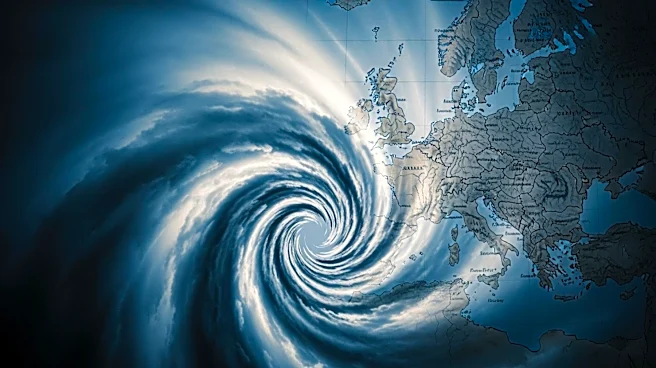
NASA has employed data from the Modern-Era Retrospective analysis for Research and Applications, Version 2 (MERRA-2) to re-examine the devastating storms Lothar and Martin that struck Western Europe in December 1999. These storms caused significant damage
across France and other parts of central and western Europe, with estimated damages reaching up to €15 billion. The storms resulted in at least 140 deaths, with 88 occurring in France. The destruction included more than 200 million cubic meters of forest and woodland, severely impacting the region's timber industry. The historic grounds at Versailles were notably affected, showcasing the widespread damage. MERRA-2 data, which includes meteorological reanalysis dating back to 1980, has been instrumental in understanding the meteorological conditions surrounding these storms.
Why It's Important?
The analysis of historical storm data is crucial for improving future weather predictions and understanding the impacts of severe weather events. By examining the meteorological conditions of past storms, researchers can better anticipate similar events and mitigate their effects. The destruction caused by Lothar and Martin highlights the vulnerability of infrastructure and natural resources to extreme weather, emphasizing the need for improved disaster preparedness and response strategies. The timber industry, which suffered large disruptions, underscores the economic implications of such natural disasters. Understanding these impacts can guide policy decisions and resource allocation to better protect communities and industries from future storms.
What's Next?
NASA's continued use of MERRA-2 data will likely lead to further insights into historical weather patterns, aiding in the development of more accurate predictive models. This could result in enhanced early warning systems and better preparedness for future storms. Stakeholders, including government agencies and the timber industry, may use these findings to implement more robust infrastructure and disaster response plans. Additionally, the analysis may prompt discussions on climate change and its role in the frequency and intensity of such storms, potentially influencing environmental policy and conservation efforts.
Beyond the Headlines
The re-examination of storms Lothar and Martin using NASA's data not only provides insights into past weather events but also raises questions about the long-term impacts of climate change on storm patterns. The destruction of forests and historic sites like Versailles highlights the cultural and ecological losses that accompany such disasters. This analysis may contribute to broader discussions on sustainable land management and conservation practices, aiming to preserve natural and cultural heritage in the face of increasing climate-related threats.