





What's Happening?
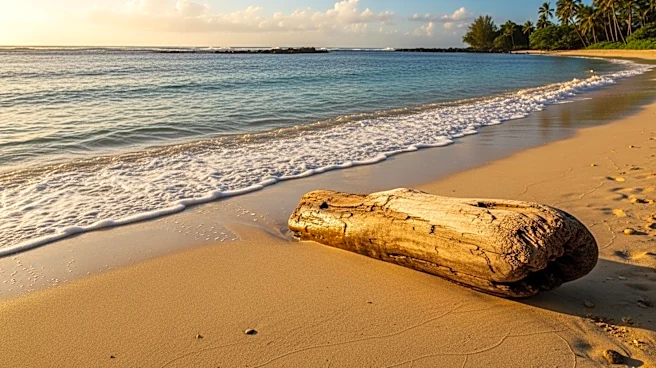
A 37-year-old tourist in Hawaii was caught on camera throwing a rock at an endangered monk seal named Lani, a symbol of Maui's recovery after the Lahaina wildfires. The incident occurred on a beach in Hawaii, where the tourist reportedly claimed he was unconcerned
about legal repercussions due to his wealth. This act of animal harassment led to a physical confrontation with a local resident, who was later praised by a state senator for his actions. The Hawaii Department of Natural Resources detained the tourist for questioning, although he has not yet been charged. Harassing monk seals is illegal under the Marine Mammal Protection Act, and the tourist could face a $50,000 fine and possible jail time if charged.
Why It's Important?
This incident highlights the ongoing challenges in protecting endangered species and the legal frameworks in place to deter such behavior. The monk seal, a critically endangered species, is protected under federal law, and violations can lead to significant penalties. The event underscores the importance of wildlife conservation efforts and the role of local communities in safeguarding their natural heritage. It also raises questions about the effectiveness of current laws in deterring wildlife harassment and the need for increased awareness and education among tourists about respecting local wildlife and ecosystems.
What's Next?
The case has been referred to federal prosecutors with NOAA’s Office of Law Enforcement for potential prosecution under federal wildlife protection laws. This could lead to legal proceedings against the tourist, setting a precedent for similar cases in the future. The incident may prompt local authorities and conservation groups to enhance educational campaigns aimed at tourists to prevent future occurrences. Additionally, there may be discussions on strengthening enforcement measures and penalties to better protect endangered species.
Beyond the Headlines
The incident reflects broader societal issues regarding the entitlement and behavior of tourists in ecologically sensitive areas. It raises ethical questions about the responsibility of individuals to respect and protect the environment, especially in regions recovering from natural disasters. The local community's response, including the recognition of the individual who intervened, highlights the cultural significance of environmental stewardship in Hawaii. This event may also influence public discourse on the balance between tourism and conservation, potentially leading to policy changes that prioritize ecological preservation.