



What's Happening?
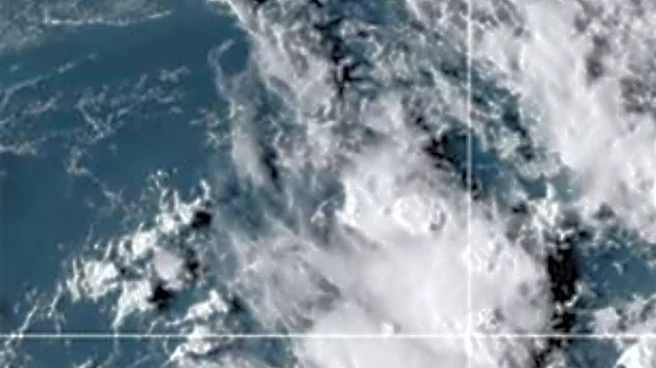
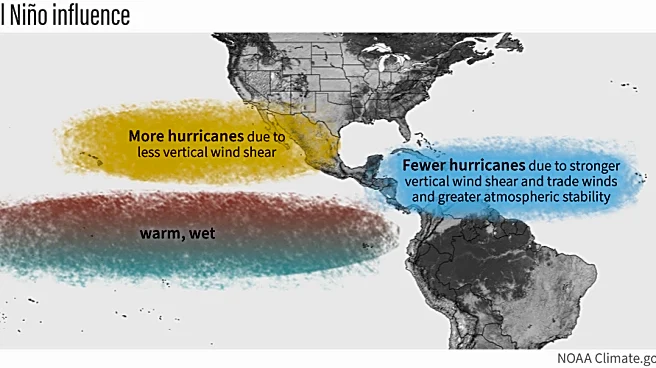
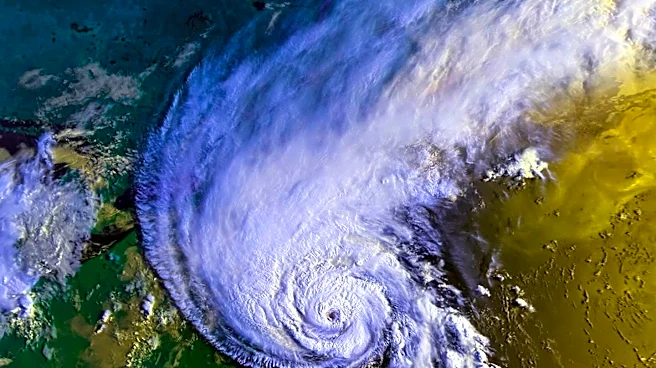
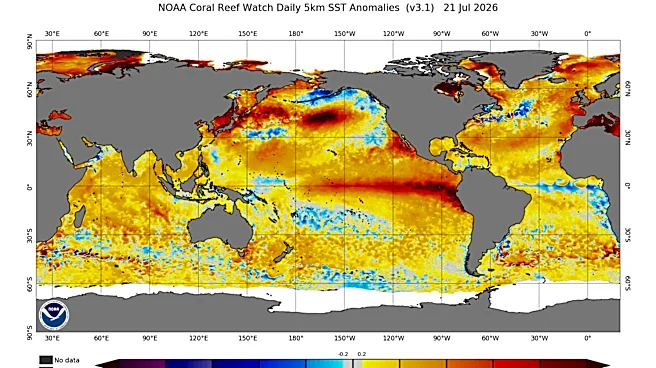
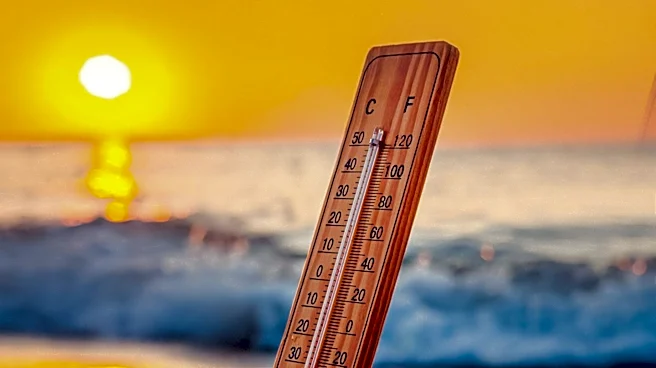
The El Niño weather phenomenon, currently developing in the Pacific Ocean, is expected to become one of the strongest on record, according to climate researchers. This event is anticipated to cause significant temperature increases, leading to severe
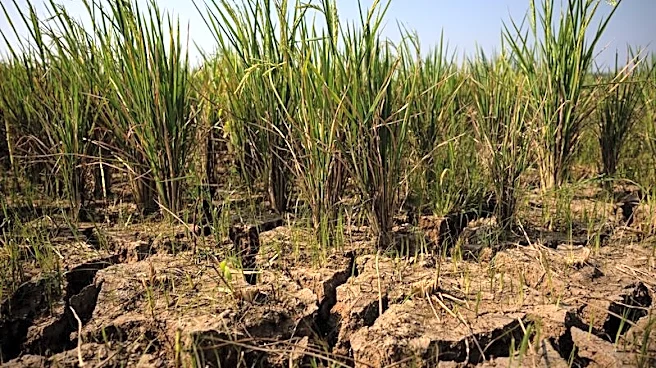
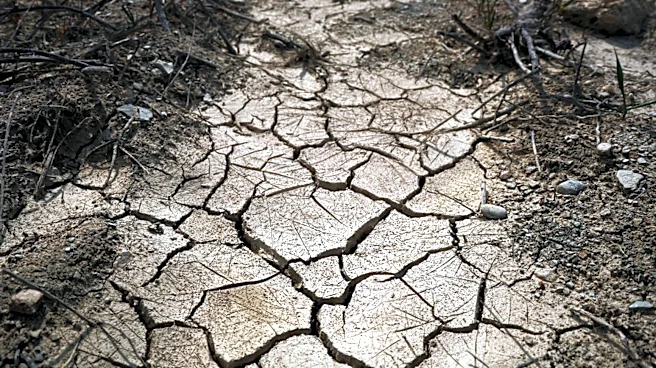
droughts in Southern Africa and heavy rains and flooding in Eastern Africa. The African Development Bank has highlighted the potential for massive agricultural disruptions, particularly in countries like Sudan, South Sudan, and Somalia, where maize prices could double, leading to food insecurity and mass migration. The phenomenon is also expected to exacerbate existing drought conditions in the United States, potentially leading to a 'mini Dust Bowl' scenario.
Why It's Important?
The intensification of the El Niño phenomenon poses a significant threat to global food security and economic stability. In Africa, the expected agricultural disruptions could lead to a loss of $10 billion to $20 billion, shrinking GDP by up to 2%. In the United States, the exacerbation of drought conditions could impact crop yields, leading to increased food prices and economic stress. The potential for mass migration due to food insecurity could also lead to geopolitical tensions and humanitarian crises.
What's Next?
As the El Niño phenomenon progresses, governments and international organizations are likely to increase their focus on disaster preparedness and mitigation strategies. This could involve enhancing agricultural resilience, improving water management systems, and increasing support for affected communities. In the United States, policymakers may need to address the potential economic impacts and consider measures to support farmers and stabilize food prices.