






What's Happening?
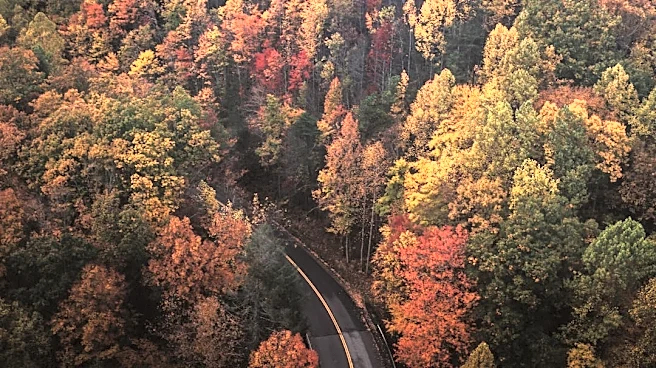
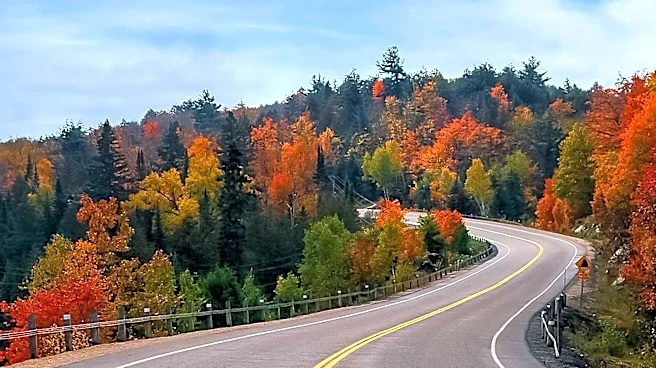
The United States offers a variety of renowned fall foliage road trips across different regions, each with unique peak viewing times and scenic characteristics. In the Northeast, New England's colors peak from late September to mid-October, featuring
iconic drives like the Kancamagus Highway in New Hampshire and Vermont's Route 100. These routes are often rural, two-lane roads with limited cell service. The Appalachians, including the Blue Ridge Parkway in Virginia and North Carolina and Skyline Drive in Shenandoah National Park, experience peak colors in mid-October, with elevation playing a significant role in timing. The upper Midwest, encompassing areas like Michigan's M-22 and the Great River Road, sees its fall transformation in early to mid-October. The Rockies and the West, known for their aspen foliage, peak earliest in the high country, typically in late September, with routes such as Colorado's Million Dollar Highway and Montana's Going-to-the-Sun Road. Travelers are advised to check road conditions, especially for high-elevation routes that may close due to early snow.
Why It's Important?
These fall foliage road trips are significant for the U.S. tourism industry, drawing visitors from across the country and internationally, boosting local economies in rural areas. The accessibility of many routes, such as Skyline Drive with its numerous overlooks, makes these natural spectacles enjoyable for a wide range of travelers, including those who prefer not to hike extensively. The varying peak times across regions allow for extended tourism seasons, as different parts of the country showcase their colors at different intervals. However, the reliance on natural weather patterns for optimal viewing means that timing is crucial, and unexpected early snowfalls in mountainous regions can impact travel plans and local businesses. The emphasis on preparing for limited cell service on many of these scenic drives also highlights a practical challenge for travelers, underscoring the importance of offline navigation and communication strategies for safety and convenience.
What's Next?
As fall approaches each year, travelers planning these road trips will need to closely monitor local weather forecasts and foliage reports to determine the optimal timing for their visits. State tourism boards and national park services will likely continue to provide updated information on leaf progression and road conditions. For high-elevation routes, particularly in the Rockies, checking for early snow closures will be a critical step before embarking on a trip. The increasing popularity of these drives may also lead to continued efforts by local authorities to manage traffic flow and preserve the natural beauty of these areas. Additionally, the advice to prepare for limited cell service suggests a continued need for travelers to download offline maps and essential information, a practice that may become more widespread as more people venture into remote scenic areas.
Beyond the Headlines
The enduring appeal of fall foliage road trips reflects a deeper cultural appreciation for natural beauty and seasonal change in the U.S. These journeys offer more than just scenic views; they provide opportunities for connection with nature, family bonding, and a temporary escape from urban environments. The contrast between the vibrant, fleeting colors of autumn and the often-remote, undeveloped landscapes highlights the importance of conservation efforts to protect these natural resources. The practical challenges of limited connectivity on these routes also subtly underscore a broader societal discussion about the balance between technological reliance and the desire for unplugged experiences. Furthermore, the economic impact on small towns along these routes can be substantial, making the success of the fall foliage season vital for many local communities, influencing everything from small businesses to hospitality services.