






What's Happening?
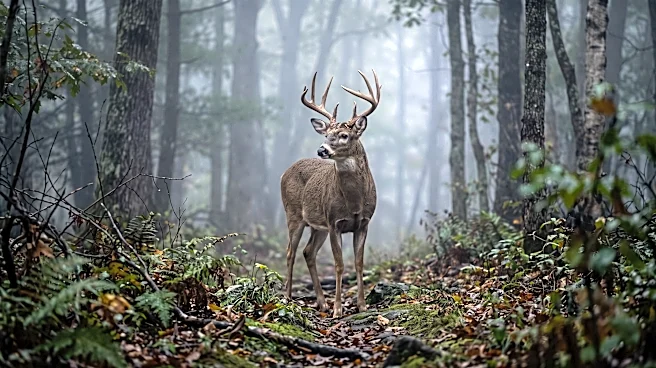
Virginia law, specifically Section 29.1-520 of the Code of Virginia, outlines the permitted hunting times for various animal categories within the state. Nonmigratory game birds and game animals are allowed to be hunted from half an hour before sunrise
to half an hour after sunset. An exception is made for bears during the bear hound training season, which permits hunting without capturing or taking from 4:00 a.m. until 10:00 p.m. Furthermore, fur-bearing animals and nuisance species of birds and animals can be hunted both day and night, with the sole exception of muskrats, which may only be hunted during daylight hours. Any violation of these specified hunting times is classified as a Class 3 misdemeanor. These regulations are part of a broader framework governing wildlife, inland fisheries, and boating in Virginia, with historical amendments dating back to 1950.
Why It's Important?
These specific hunting time regulations are crucial for wildlife management and conservation efforts in Virginia. By setting clear boundaries for when different species can be hunted, the state aims to maintain healthy animal populations, prevent overhunting, and ensure ethical hunting practices. The distinction between nonmigratory game, bears during training season, and fur-bearing/nuisance animals reflects a nuanced approach to managing diverse wildlife populations, considering their behavioral patterns and ecological roles. For hunters, these laws provide necessary guidelines, ensuring compliance and promoting responsible participation in the sport. The classification of violations as a Class 3 misdemeanor underscores the state's commitment to enforcing these regulations, thereby protecting its natural resources and preserving hunting traditions for future generations. This legal framework also helps to minimize conflicts between hunters and other land users by establishing predictable periods of activity.
What's Next?
The established hunting times in Virginia are subject to ongoing review and potential amendments by the Virginia General Assembly, as indicated by the historical citations in the code. While no immediate changes are specified, future legislative sessions could introduce modifications based on new ecological data, changes in wildlife populations, or public input. Hunters and wildlife enthusiasts should regularly consult the Virginia Department of Wildlife Resources for any updates to regulations, season dates, and specific area restrictions. Enforcement of these laws will continue, with local and state wildlife authorities monitoring compliance. Educational initiatives may also be implemented to ensure that hunters are fully aware of the legal requirements, particularly regarding the specific timings for different species and the penalties for non-compliance. The state will likely continue to balance recreational hunting opportunities with its broader conservation objectives.
Beyond the Headlines
The detailed hunting time regulations in Virginia highlight a broader philosophical approach to wildlife management that seeks to balance human recreational activities with ecological sustainability. The differentiation in hunting hours for various species, such as the extended hours for bear hound training or the daylight-only restriction for muskrats, reflects a deep understanding of animal behavior and the specific challenges associated with managing each species. This legal framework also touches upon ethical considerations in hunting, aiming to prevent practices that could be deemed unfair or detrimental to animal welfare. The historical evolution of these laws, with amendments over several decades, demonstrates an adaptive regulatory system that responds to changing environmental conditions and societal values. Ultimately, these regulations contribute to a larger conservation strategy that recognizes the intrinsic value of wildlife and the importance of responsible stewardship of natural resources, influencing not only hunting practices but also broader public perceptions of human interaction with the natural world.