






What's Happening?
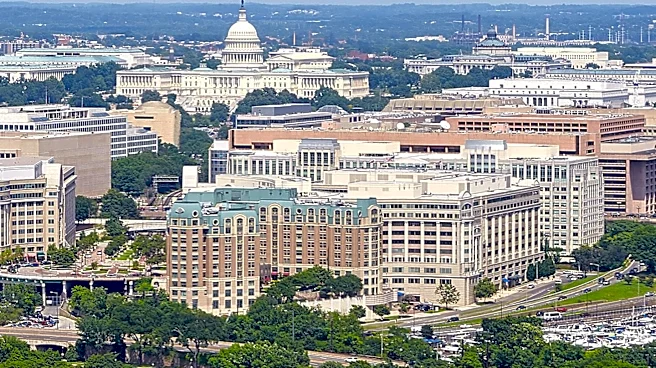
Rep. Stephanie Bice (R-OK), chair of the Subcommittee on Modernization and Innovation in the House of Representatives, is spearheading efforts to modernize the House's internal operations. The Subcommittee on Legislative Branch Appropriations has approved
a $4 million increase to the Modernization Initiatives Fund, set to be available from October 1, marking the start of the new fiscal year. Bice, who has been leading the subcommittee since its establishment in January 2023, has been instrumental in implementing various upgrades. These include the launch of Legidex, an online Rolodex for House staff, and the provision of CoPilot, an AI digital assistant, to thousands of Hill staff. Bice's initiatives aim to make the House more efficient and accessible, addressing issues such as outdated operations and accessibility challenges for individuals with disabilities.
Why It's Important?
The modernization efforts led by Rep. Bice are significant as they aim to enhance the efficiency and accessibility of the House of Representatives. By addressing outdated operational systems and improving accessibility, these initiatives could lead to more effective legislative processes and better public engagement. The introduction of digital tools like Legidex and CoPilot reflects a shift towards embracing technology to streamline operations. This modernization could potentially improve communication and collaboration among legislators and staff, ultimately benefiting the legislative process and public service. Additionally, making the House more accessible to individuals with disabilities aligns with broader societal goals of inclusivity and equal access.
What's Next?
As the new fiscal year approaches, the approved funding will enable further implementation of modernization projects. The subcommittee is exploring options to upgrade constituent management systems, which could enhance how legislative staff handle communications from the public. These ongoing efforts may lead to additional technological advancements and operational improvements within the House. Stakeholders, including legislators and staff, are likely to continue collaborating on these initiatives to ensure successful implementation. The focus on modernization may also prompt other government bodies to consider similar upgrades, potentially setting a precedent for broader governmental reform.
Beyond the Headlines
The modernization of the House of Representatives carries deeper implications for the future of legislative operations. By prioritizing technological upgrades and accessibility, the House is setting a standard for how government institutions can adapt to the digital age. This shift may influence public perception of government efficiency and responsiveness, potentially increasing trust and engagement with the legislative process. Furthermore, the focus on inclusivity and accessibility highlights the importance of addressing systemic barriers within government institutions, which could inspire similar efforts across other sectors.