



What's Happening?
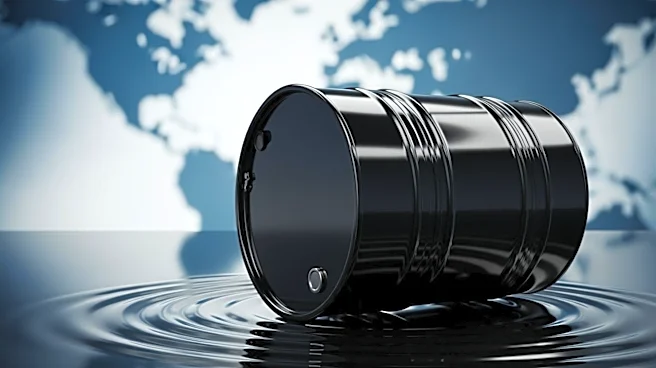
The Trump administration has renewed a waiver allowing countries to purchase Russian oil and petroleum products for an additional month. This decision was made despite earlier statements from Treasury Secretary Scott Bessent indicating no plans to extend
the waiver. The waiver permits the purchase of Russian oil loaded on vessels as of the renewal date, extending through May 16. This move comes as a measure to control global energy prices, which have been volatile due to the ongoing US-Israel conflict with Iran. The waiver excludes transactions involving Iran, Cuba, and North Korea. The decision has faced criticism from US lawmakers who argue that it undermines efforts to deprive Russia of oil revenue needed for its war on Ukraine, complicating Washington's relations with its allies.
Why It's Important?
The extension of the waiver allowing the purchase of Russian oil has significant implications for global energy markets and geopolitical relations. By permitting these transactions, the US aims to stabilize energy prices, which have been affected by international conflicts. However, this decision has drawn criticism for potentially supporting the Russian economy amid its conflict with Ukraine. The move highlights the complex balance the US must maintain between economic interests and geopolitical strategies. It also underscores the challenges faced by the Trump administration in navigating international sanctions and energy policies, which have broader implications for global diplomatic relations and economic stability.
What's Next?
The extension of the waiver is likely to prompt further debate among US lawmakers and international allies regarding the effectiveness and ethical implications of such sanctions relief. The Trump administration may face increased pressure to justify its decision and address concerns about the impact on global energy markets and geopolitical dynamics. Additionally, the waiver's expiration in May could lead to renewed discussions about the future of US sanctions on Russian oil, potentially influencing global energy policies and international relations.