





What's Happening?
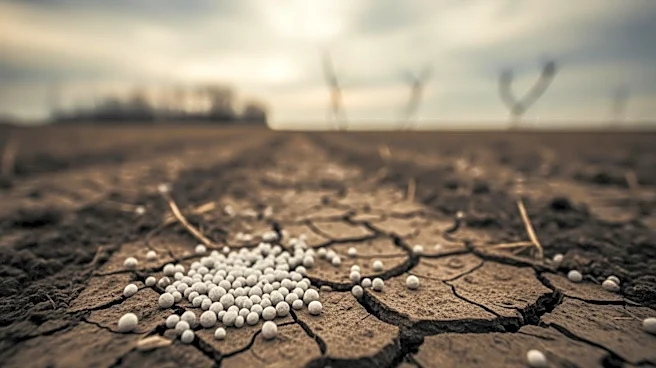
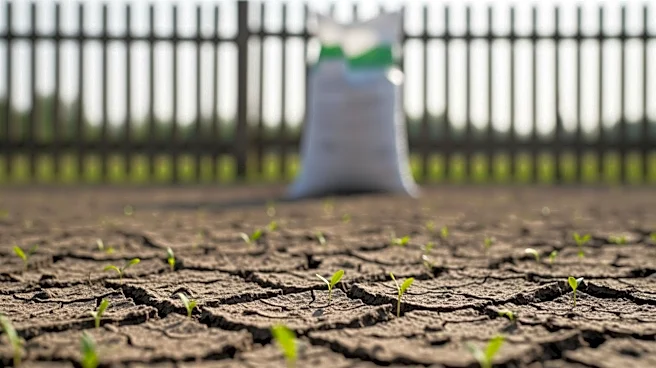
The Director-General of the Food and Agriculture Organization (FAO), Qu Dongyu, has warned that a global fertilizer shortage, exacerbated by disruptions in the Strait of Hormuz, could significantly reduce crop yields and tighten food supplies in late
2026 and 2027. Speaking at the Ministerial Meeting of the MED9++ Countries, Qu emphasized the strategic importance of the Strait for global fertilizer and energy transport. The current disruptions are affecting agricultural production and food prices worldwide. Qu highlighted the need for immediate action to maintain supply chains, avoid export restrictions, and ensure farmers' access to agricultural inputs.
Why It's Important?
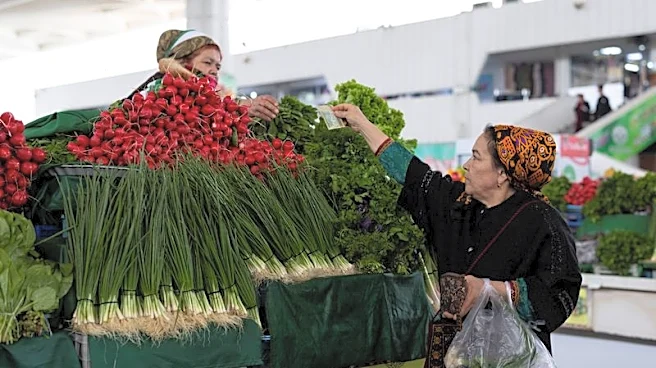
The fertilizer shortage poses a significant threat to global food security, particularly in regions heavily reliant on imports. Delays in fertilizer delivery can lead to reduced crop yields, impacting food availability and prices. This situation is especially concerning for countries already facing food insecurity and economic challenges. The shortage underscores the vulnerability of global supply chains and the need for diversified and resilient agricultural systems. Addressing this issue is crucial to prevent a potential food crisis and ensure stable food supplies in the coming years.
What's Next?
In response to the crisis, the FAO is advocating for coordinated global action to keep supply chains operational and support vulnerable economies. In the short term, alternative trade routes and regional cooperation are essential to mitigate the impact. In the long term, investments in sustainable agriculture, renewable energy, and innovative fertilizer technologies are needed to build resilience. The FAO's strategic framework aims to enhance global food security and reduce dependency on concentrated supply routes.