





What's Happening?
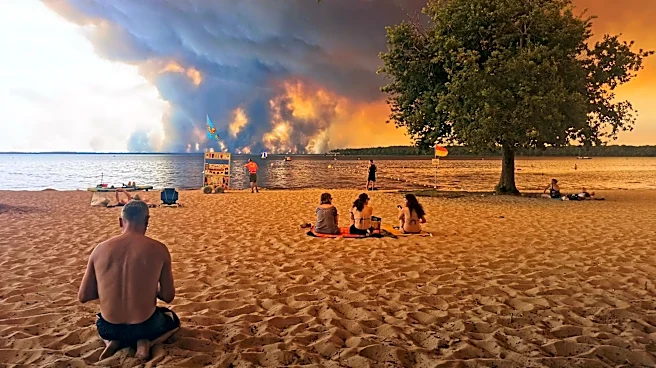
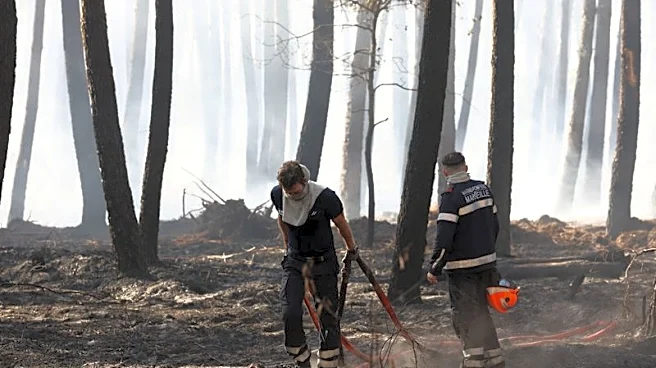
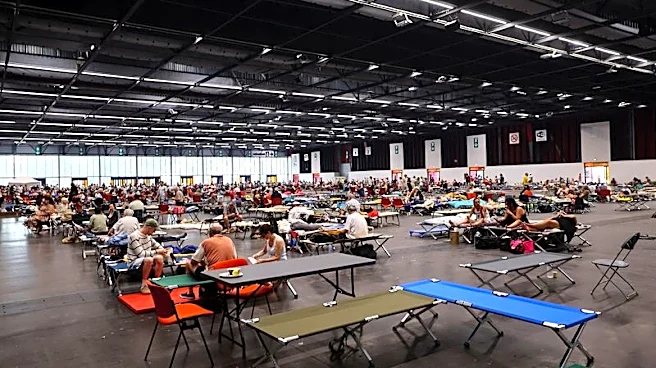
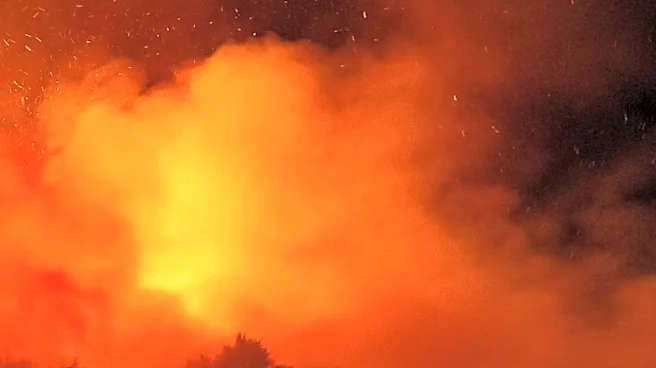
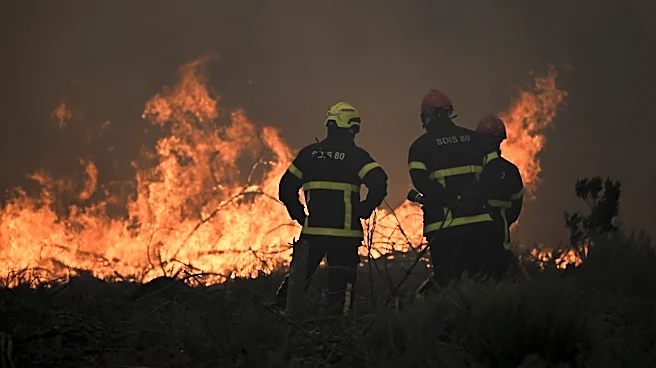
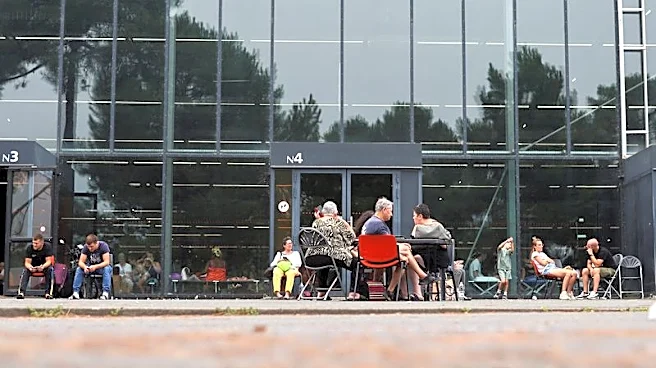
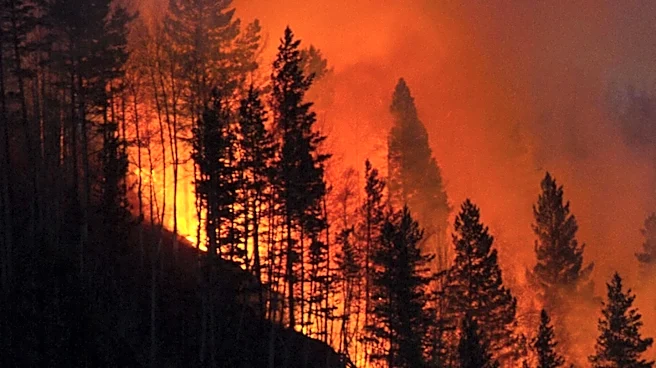
French authorities have evacuated nearly 4,000 people from tourist sites on the Atlantic coast due to a massive wildfire near Bordeaux. The evacuation order highlights the severe wildfire emergency across southwestern Europe, with fires in France and
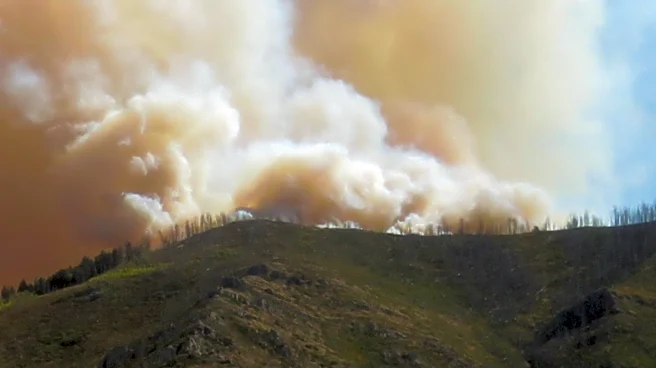
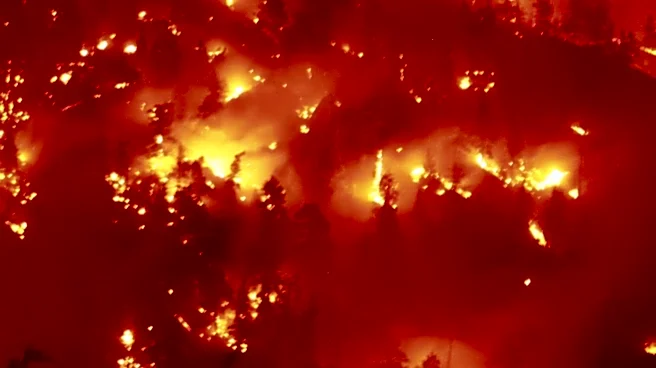
Spain forcing approximately 330,000 people to evacuate. The Gironde fire, described as stabilized but not fixed, poses a continued threat as temperatures rise and humidity falls. Spain is bracing for its fourth heat wave of the summer, with several major wildfires still out of control. The situation underscores the rapid warming of Europe, which is heating at more than twice the global average.
Why It's Important?
The evacuation and ongoing wildfires in France and Spain illustrate the growing impact of climate change on Europe. As the continent experiences record-breaking heat and dryness, the risk of wildfires increases, threatening lives, property, and ecosystems. The situation calls for urgent climate action and adaptation strategies to mitigate the effects of extreme weather events. The evacuations also highlight the need for effective emergency response systems and international cooperation in addressing climate-related disasters. The rapid warming of Europe serves as a stark reminder of the global climate crisis and the need for comprehensive solutions.
What's Next?
Authorities in France and Spain will continue to monitor and manage the wildfires, with ongoing surveillance and damping-down operations expected to last for days or weeks. Efforts will focus on preventing flare-ups and controlling the spread of fires as temperatures rise. The situation may prompt further evacuations and emergency measures, depending on weather conditions. Additionally, the events may lead to increased pressure on governments to implement stronger climate policies and invest in sustainable practices to reduce the risk of future wildfires.
Beyond the Headlines
The wildfires in Europe may have long-term implications for regional climate policies and international climate agreements. The events could drive innovation in firefighting techniques and technologies, as well as promote research into climate adaptation strategies. The situation also raises ethical questions about the responsibility of developed nations to support vulnerable regions in coping with climate change. As Europe faces unprecedented heat and wildfires, the need for global cooperation and solidarity in addressing the climate crisis becomes increasingly apparent.