





What's Happening?
Congressman Joe Courtney (CT-02) recently celebrated the revitalization of skills training in eastern Connecticut high schools during an appearance on Eyewitness News Extra. He noted a significant shift in high school curriculums, with comprehensive high schools,
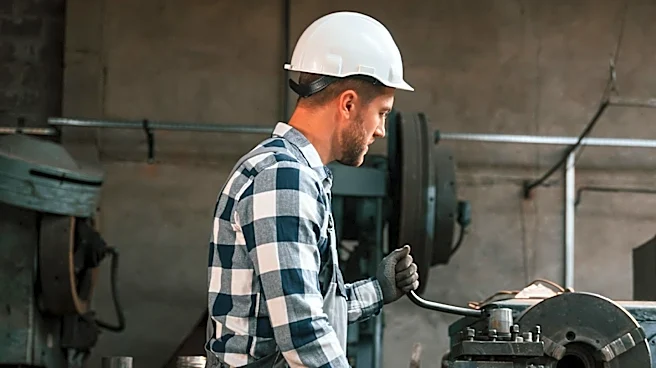
not just trade schools, now installing welding labs, plasma tables, and other equipment. This initiative aims to provide a substantial number of students with the opportunity to acquire practical skills that were previously neglected for an extended period. Courtney emphasized that this shift is helping young adults and children view career paths differently, moving away from the sole expectation of attending college. He highlighted the success of programs like the Manufacturing Pipeline Initiative (MPI), which has graduated over 6,400 trainees into jobs at more than 670 employers over the past decade, leading to 33% faster regional employment growth in eastern Connecticut compared to the rest of the state.
Why It's Important?
This revitalization of skills training is critically important for the U.S. workforce and economy. It addresses a long-standing gap in vocational education, which has often been overshadowed by a strong emphasis on four-year college degrees. By equipping high school students with practical skills like welding, these programs are directly feeding into industries facing labor shortages, such as manufacturing and defense, particularly in sectors like shipbuilding. This approach not only provides students with viable career paths that offer good wages and job security but also strengthens the local and national industrial base. The success of the Manufacturing Pipeline Initiative demonstrates a tangible positive impact on regional employment growth, indicating that such programs can significantly boost economic development and reduce unemployment by aligning education with industry needs. This initiative also helps diversify the talent pool, making the workforce more resilient and adaptable to evolving economic demands.
What's Next?
The success of skills training revitalization in eastern Connecticut is likely to serve as a model for other regions across the U.S. We can anticipate continued investment and expansion of similar vocational programs in high schools, potentially with increased federal and state funding. There may be a growing trend of partnerships between educational institutions and local industries to ensure that training programs are directly relevant to current job market demands. The focus will likely remain on providing students with hands-on experience and certifications that lead directly to employment. Furthermore, the narrative around post-secondary education may continue to evolve, with a greater emphasis on diverse pathways to success, including vocational training and apprenticeships, alongside traditional college degrees. This shift could lead to a more balanced and robust educational ecosystem that better serves the needs of both students and the economy.
Beyond the Headlines
The resurgence of skills training has deeper implications for societal perceptions of labor and education. For decades, there has been a cultural push towards universal college education, often devaluing skilled trades. This initiative challenges that paradigm by demonstrating the economic and personal value of vocational skills. It can help bridge the socio-economic divide by offering accessible and affordable pathways to well-paying jobs for individuals who may not pursue a traditional college route. Ethically, it promotes a more inclusive view of success and contributes to a more equitable distribution of opportunities. Culturally, it could lead to a renewed appreciation for craftsmanship and technical expertise, fostering a more diverse and skilled workforce. In the long term, this shift could contribute to greater economic stability and reduce reliance on imported skilled labor, strengthening national self-sufficiency in critical industries.