




What's Happening?
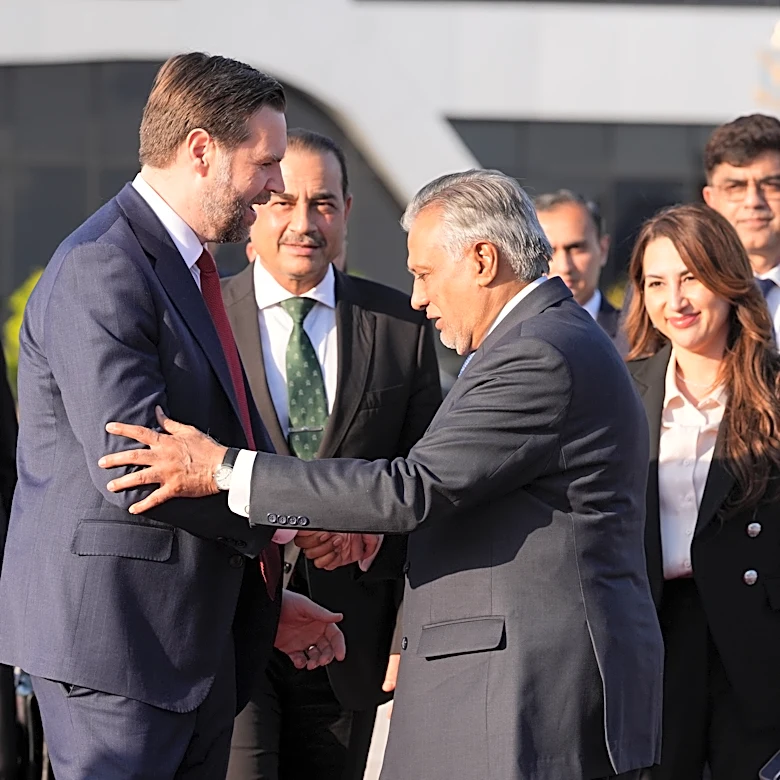
The recent negotiations between the United States and Iran in Pakistan have reached an impasse, primarily due to disagreements over Iran's nuclear program and the closure of the Strait of Hormuz. The U.S. delegation, led by Vice President JD Vance, sought
to address these critical issues, but Iran's refusal to halt uranium enrichment and reopen the strait led to a breakdown in talks. The discussions were part of efforts to de-escalate tensions following military actions by the U.S. and Israel. Despite presenting offers to resolve the nuclear issue, both sides remained firm in their positions. President Trump has yet to clarify his next steps, leaving the future of U.S.-Iran relations uncertain.
Why It's Important?
The deadlock in negotiations has significant implications for global security and economic stability. The Strait of Hormuz is a vital passage for oil shipments, and its closure by Iran has already impacted global energy markets. The unresolved nuclear issue also poses a threat to regional security, with Iran's enrichment activities nearing weapons-grade levels. The U.S. faces the challenge of addressing these issues while managing domestic and international expectations. The outcome of this situation could influence U.S. foreign policy and its approach to nuclear non-proliferation, as well as impact global oil prices and economic conditions.
What's Next?
With the talks stalled, President Trump must decide whether to extend the current ceasefire or resume military operations. The U.S. has indicated a willingness to use naval forces to ensure the Strait of Hormuz remains open, which could lead to further confrontations with Iran. Diplomatic efforts may continue, but the lack of progress in recent negotiations suggests that significant challenges remain. The international community will be closely watching for any signals from the U.S. administration regarding its strategy moving forward. The potential for renewed conflict or a breakthrough in diplomacy will have far-reaching consequences for regional and global stability.