
What's Happening?
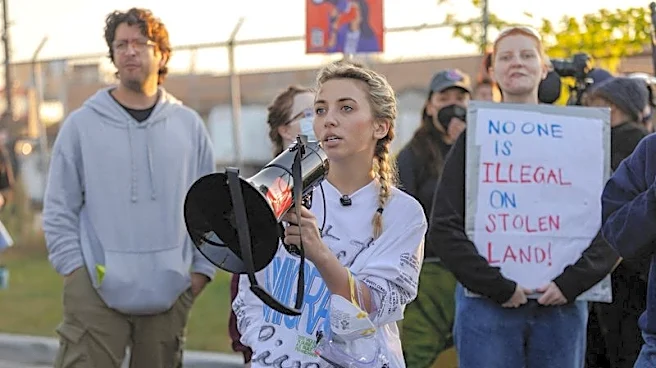
Illinois Governor JB Pritzker is advocating for criminal investigations into federal immigration agents following a report by the Illinois Accountability Commission. The report scrutinizes the conduct
of U.S. Immigration and Customs Enforcement (ICE) and Border Patrol agents during the Operation Midway Blitz raids in the Chicago area. The commission documented instances of excessive force and misconduct, including the killing of Silverio Villegas González and the shooting of Marimar Martínez. Pritzker emphasized the need for accountability, urging law enforcement to consider the evidence for potential prosecutions. The report also calls for congressional investigations and internal discipline for agents involved in misconduct.
Why It's Important?
The report and subsequent calls for investigation highlight ongoing tensions between state and federal authorities over immigration enforcement practices. The findings could impact public trust in law enforcement and influence future immigration policies. The situation underscores the challenges of balancing national security with civil liberties and human rights. The outcome of any investigations could have significant implications for federal immigration agencies and their operational procedures. Additionally, the report may influence political dynamics, particularly in states with sanctuary policies, and could affect Governor Pritzker's political standing as he seeks re-election.
What's Next?
The commission's findings have been forwarded to various law enforcement agencies, including the Cook County State's Attorney's Office, for review. Governor Pritzker and former federal Judge Rubén Castillo have suggested the appointment of a special prosecutor if local authorities do not act. The Department of Homeland Security has dismissed the commission's report as politically motivated, indicating potential resistance to any state-led investigations. The situation may lead to legal and political battles over jurisdiction and accountability. The broader implications for federal immigration policy and state-federal relations remain to be seen.