





What's Happening?
The Civil Air Patrol (CAP) has transformed into a critical component of national disaster response, working closely with the Federal Emergency Management Agency (FEMA). This evolution began with CAP's involvement in major disasters like Hurricane Hugo
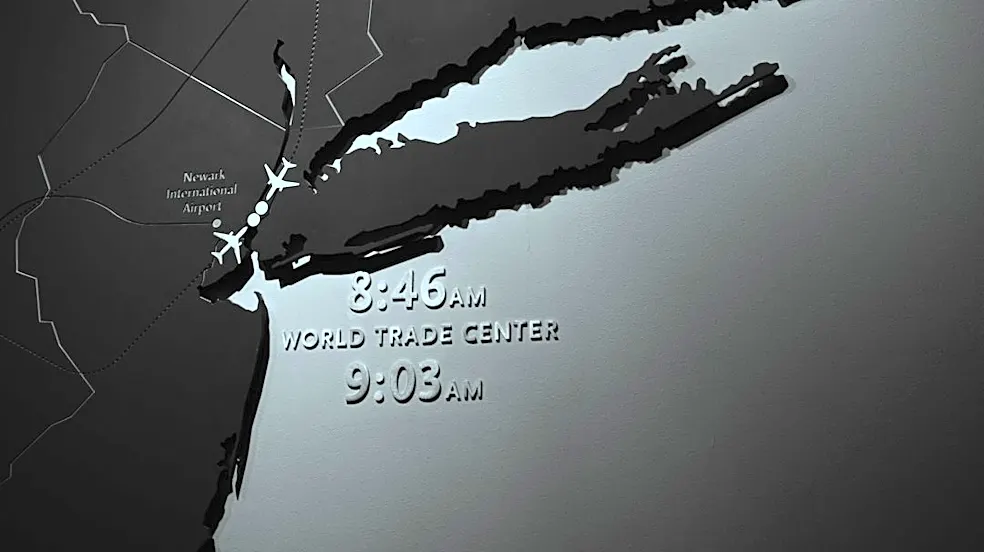
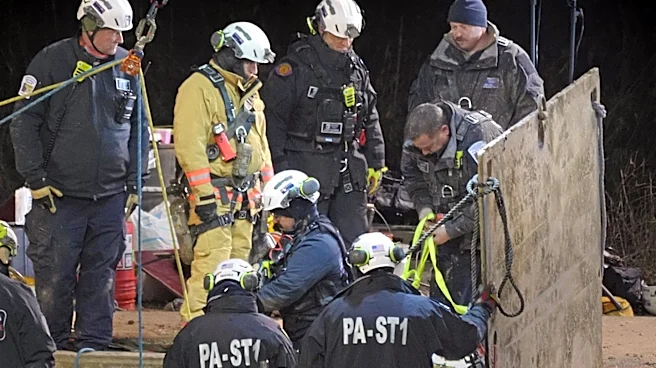
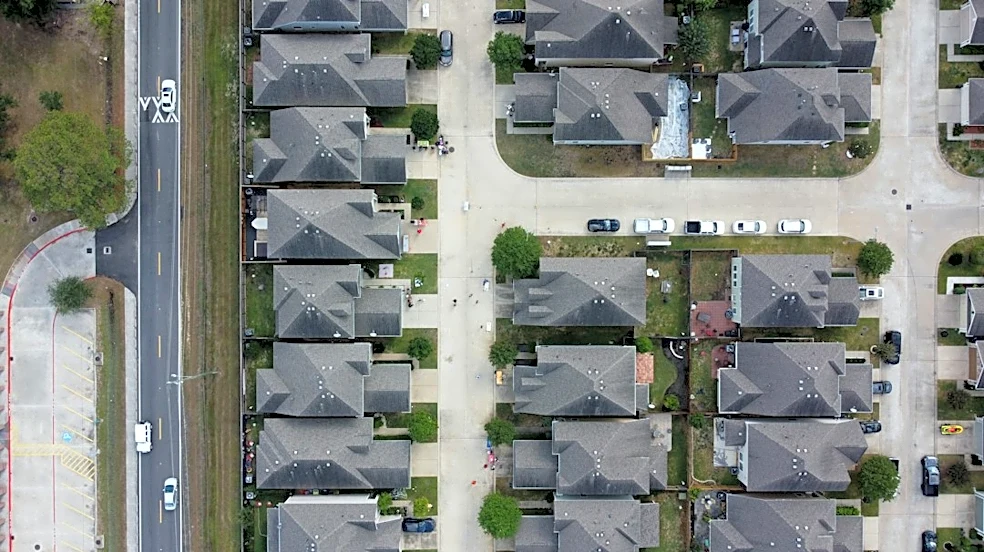
in 1989, Hurricane Andrew, Hurricane Floyd, and the Exxon Valdez oil spill. A significant shift occurred in the 1990s when CAP proactively adopted the Incident Command System, predating its widespread mandate after 9/11, which strengthened its standing in professional emergency management. Following Hurricane Katrina in 2005, laws were changed to allow for the pre-positioning of resources before a disaster strikes, a practice now supported by FEMA's 'surge funding' for CAP operations. Today, CAP utilizes advanced tools such as GPS-linked camera systems, drones, and artificial intelligence for damage assessment and real-time dissemination of imagery, significantly enhancing its capabilities in responding to events like wildfires and hurricanes. The organization also conducts vital missions like transporting blood for the American Red Cross and supporting the Armed Forces Blood System.
Why It's Important?
The Civil Air Patrol's enhanced role in disaster response is crucial for national resilience and public safety. Its ability to pre-position resources and deploy advanced technology like drones and AI for rapid damage assessment means faster and more effective responses to natural disasters and other emergencies across the U.S. This partnership with FEMA and the Air Force ensures that communities, especially those in remote areas, receive timely assistance. The volunteer-led nature of CAP also provides a cost-effective yet highly capable force, delivering an estimated $280 million in value annually. The organization's widespread footprint, reaching into communities without other Air Force presence, is invaluable for localized support. This evolution signifies a strategic shift in how the U.S. approaches disaster preparedness and response, leveraging civilian auxiliary forces with specialized skills and equipment to augment federal efforts, ultimately saving lives and mitigating damage more efficiently.
What's Next?
The Civil Air Patrol's disaster response toolkit is expected to continue evolving with technological advancements. Future developments include the integration of Starlink for live video streaming from aircraft to emergency command centers, regardless of ground infrastructure. The use of artificial intelligence in damage assessment is anticipated to deepen, moving towards near real-time dissemination of varied imagery types. CAP's Geospatial Program, established in 2019, will likely expand its capabilities, building on its success in rapidly assessing damaged structures during events like the Maui wildfires. The organization will also continue to adapt its missions, such as the Operation Pulse Lift program, to address ongoing community needs and gaps in emergency services. This continuous adaptation ensures that CAP remains at the forefront of disaster response, ready to deploy new tools and strategies to meet future challenges.
Beyond the Headlines
The transformation of the Civil Air Patrol highlights a broader trend in national security and emergency management: the increasing reliance on and integration of civilian volunteer organizations with specialized capabilities into federal response frameworks. This model demonstrates the effectiveness of combining professional volunteerism with advanced technology to address complex challenges. The ethical implications of using AI and advanced surveillance technologies in disaster zones, while enhancing efficiency, also raise questions about data privacy and the scope of such operations. Furthermore, CAP's deep community roots and extensive reach underscore the cultural value of volunteerism in American society, providing a critical human element in times of crisis. This long-term shift towards a more integrated and technologically advanced disaster response system, involving both governmental and auxiliary forces, sets a precedent for future emergency preparedness strategies, emphasizing adaptability and innovation.